

How Physical Therapy Can Help with Rotator Cuff Injuries
September 2026 Newsletter

Imagine waking up one morning, eager to start your day, but as you attempt to brush your teeth, the pain in your shoulder sends a searing wave of discomfort through your entire arm. Suddenly, the simplest tasks become challenging.
This scenario is all too familiar for individuals dealing with rotator cuff injuries, which can severely limit daily life functions. However, there is hope in the form of physical therapy—a proven and effective way to regain strength, mobility, and overall shoulder function.
At PacificPro Physical Therapy & Sports Medicine, our physical therapists are highly trained and understand how important it is to resolve your shoulder pain. We’ll identify the contributing factors, address your specific movement limitations, and provide clear guidance to help you recover sooner rather than later!
Contact our skilled team of physical therapists today and get started on your road to recovery!
The Impact of a Shoulder Injury
Rotator cuff injuries can disrupt your life in many ways, affecting your physical abilities and overall well-being in ways that aren’t immediately obvious until routine tasks become difficult or unpredictable.
For example, something as simple as putting dishes away in an overhead cabinet or washing your hair might feel painful or restricted. Getting dressed may require extra time and strategy, especially when pulling on a shirt or fastening a bra. At work, tasks such as typing, lifting files, or carrying a bag might trigger symptoms, leaving you feeling frustrated.
One of the biggest impacts, however, is that pain from a rotator cuff injury can often lead you to scaling back on overall physical activity, which only further reduces mobility and increases symptoms.
Fortunately, working with the team at PacificPro Physical Therapy & Sports Medicine can address these challenges directly, which is why physical therapy can be such a game-changer for rotator cuff injuries!
The Role of PacificPro Physical Therapy & Sports Medicine in Your Recovery
When you consult a physical therapist for a rotator cuff injury, the initial evaluation is a critical step in the recovery process. Here’s what you can expect:
Your physical therapist will start by discussing your medical history, including the onset and nature of your shoulder pain, any previous injuries, and your overall health.
A thorough physical examination follows, focusing on the affected shoulder. This includes assessing your range of motion, strength, and any signs of tissue irritability or instability. To understand how your injury impacts your daily life, your therapist will assess your ability to perform essential tasks like reaching, lifting, and dressing.
Based on the evaluation findings, your physical therapist will provide a diagnosis and work with you to establish clear goals for your rehabilitation.
Next, your therapist will design a program tailored to your unique needs, including:
- Manual Therapy: Physical therapists often use manual therapy techniques, including joint mobilizations and soft tissue mobilizations, to alleviate pain and improve shoulder mobility. These techniques have been shown to reduce pain and enhance range of motion in individuals with rotator cuff injuries.
- Therapeutic Exercises: A customized exercise program is a cornerstone of rotator cuff rehabilitation. Therapists prescribe a progressive loading program that builds the capacity of your shoulder tissues to handle the demands of your daily life.
- Home Exercise Programs: Physical therapists provide patients with home exercise programs to promote continuity of care. Consistent adherence to these programs can improve rotator cuff rehabilitation outcomes.
- Patient Education: Understanding the injury and learning how to prevent future problems is crucial. Our physical therapists educate patients on how to gradually increase the amount and frequency of their activities to reduce re-injury risk.
As you continue to progress in your recovery, functional training becomes vital. Tasks like lifting, reaching, and carrying are integrated into the rehabilitation program to ensure you regain your ability to perform daily activities without pain or limitation.
Discover the Benefits of Physical Therapy for the Rotator Cuff
If you’re dealing with the challenges of a rotator cuff injury, don’t let it limit your life any longer. Seek the expertise of one of our highly skilled physical therapists who can provide a personalized treatment plan based on your unique needs and goals.
Your path to regaining strength, mobility, and a pain-free shoulder begins with a simple but crucial step: reaching out to us today!
Don’t wait — start your journey towards recovery today!
Sources: https://www.ncbi.nlm.nih.gov/pmc/articles/PMC8082254/, https://www.ncbi.nlm.nih.gov/pmc/articles/PMC4827371/
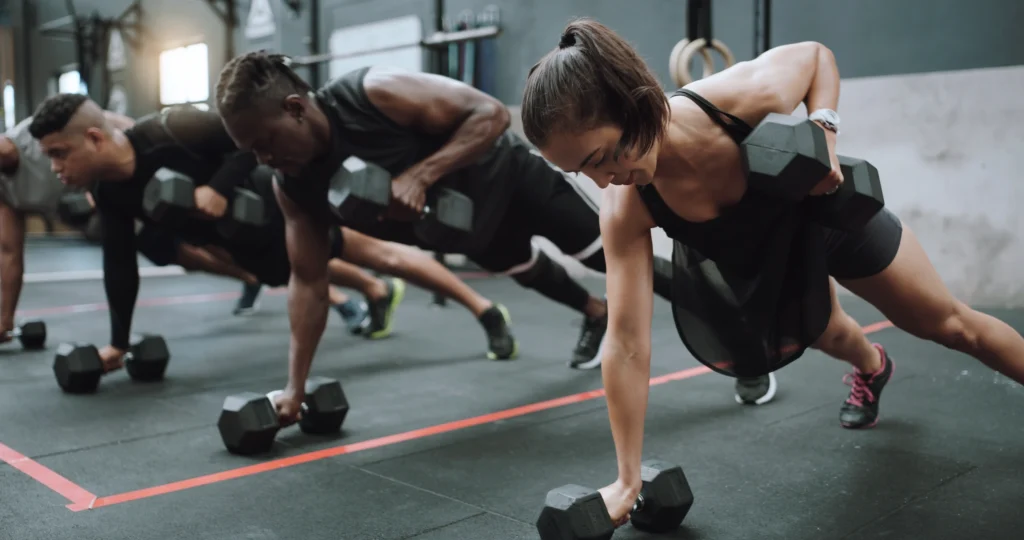
Contact PacificPro Physical Therapy & Sports Medicine To Schedule An Appointment
We will work with you at PacificPro Physical Therapy & Sports Medicine to accommodate your needs by providing the most advanced rehabilitation strategies and injury prevention programming. For more information, contact us today!
Exciting News: PacificPro Physical Therapy is Expanding!
We’re thrilled to announce that PacificPro Physical Therapy has opened a brand-new location! This expansion allows us to serve even more patients and provide the same expert care in a convenient new spot.
New Clinic Address:
Ontario Ranch
3055 S. Archibald Ave., Suite C-2
Ontario, CA 91761
Contact Us:
Phone: (909) 460-6487
Fax: (909) 930-3577
Whether you’re looking for injury recovery, pain relief, or performance enhancement, our team is ready to help you reach your goals. Stop by our new location or give us a call to schedule your visit!

Understanding Rotator Cuff Injuries: Signs and Symptoms
If you’ve been experiencing shoulder pain or discomfort, it’s essential to understand the signs and symptoms of a potential rotator cuff injury. By recognizing these indicators, you can take the crucial first step towards seeking appropriate care and embark on your path to recovery.
Rotator cuff injuries can vary in severity. In addition to pain, they often share these five signs and symptoms:
- Disturbed Sleep: Rotator cuff pain often worsens at night, interfering with sleep. Sleeping on the affected side can be particularly uncomfortable.
- Weakness: Individuals with a rotator cuff injury may experience weakness in the affected shoulder, making it challenging to perform tasks that require lifting, reaching, or holding objects.
- Limited Range of Motion: Reduced mobility in the shoulder is a common symptom. You may struggle to raise your arm, reach behind your back, or perform overhead activities.
- Difficulty with Daily Activities: Rotator cuff injuries can impact daily tasks such as combing hair, dressing, and reaching for items on high shelves. It can also affect sports and recreational activities.
- Gradual Onset: Some rotator cuff injuries develop gradually over time due to overuse, while others may result from a sudden injury or trauma, such as a fall or lifting heavy objects.
Take the First Step Toward Recovery
It’s essential to seek help from one of our PacificPro Physical Therapy & Sports Medicine specialists if you experience any of these symptoms, as early intervention can lead to more effective treatment and improved outcomes. Our physical therapists can assess your shoulder and tailor a treatment plan to address your specific needs and goals.
Don’t wait to get help; call today and schedule a consultation!

Our Patients Get Great Results
“I had foot surgery, and Nandi was wonderful. After a while, my foot wasn’t improving, so he recommended a different surgeon. The second surgery removed the pain. Through it all, the exercises he assigned helped me regain my lower body strength. The assistants and Rachel are all friendly and great, too.”
— Carmen
Exercise of the Month
STANDING SHOULDER ABDUCTION
(Shoulders)
Start by standing up straight with one end of a cane in each hand. Hold the hand on the side you want to work so that your palm is down and the cane is going horizontally across your body. Keeping your arm straight, bring it straight out to the side until it is shoulder height using your other arm to assist by pushing on the cane. Slowly let your arm come back forward to your side.
3 Sets, 10 Reps. (Materials needed: cane)
The PacificPro Team

Trace Power
PT, MPT, CSCS

Bret Fairbanks
PT, DPT

Mason Nebrija
PT, DPT

Alyssa Raineri
PT, DPT

Michelle McClure-Smith
PT, DPT, OCS

Heather Snyder
PT, DPT, OCS

Erin Skrettingland
PT, DPT, OCS

Rujuta Shah
PT, OCS
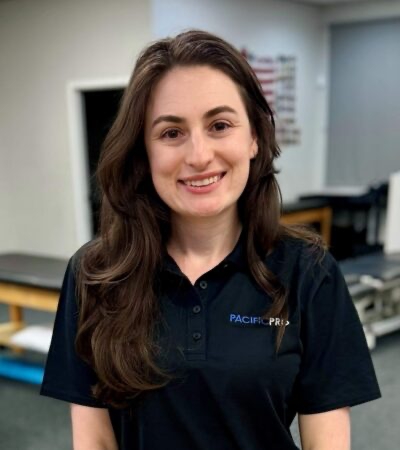
Erika Rothfeld
PT, DPT
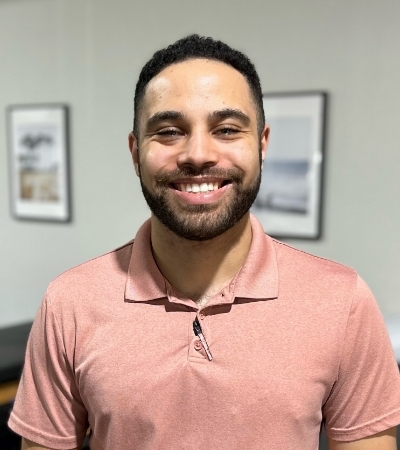
Tre Duplechan
PT, DPT
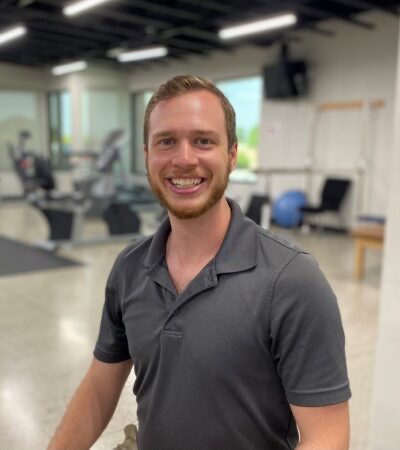
Johnny Kiskin
PT, DPT

Karli Baker
PT, DPT


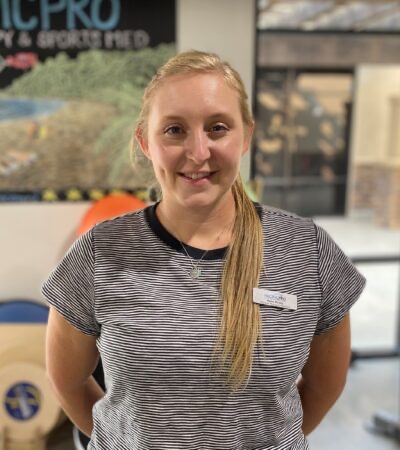

Amanda Baxter
Director of Marketing

Kortney Croker
Director of Front Offices
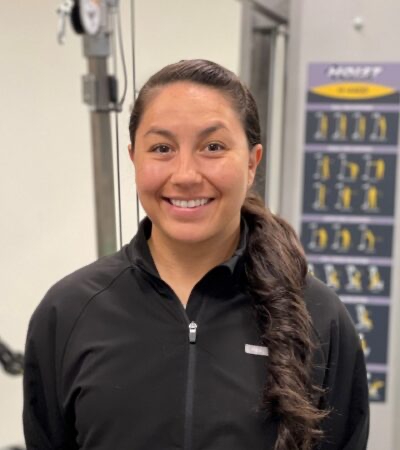

Amanda Hurst
PT, DPT
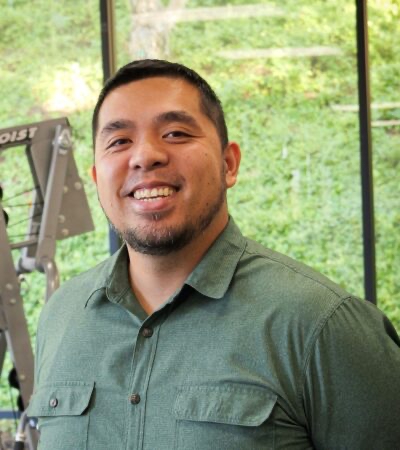



Dean Loomis
PT, DPT


Jessica Sparschu
PT, DPT

Cade Vinsky
PT, DPT

Allan Anolin
PT, DPT

Stephani Quijano
PT, DPT




Spencer Ly
OTR/L, CNS

Josephine Nguyen
PT, DPT


Coral Montes
Front Office Manager

Kylie Mann
PT, DPT

Shawn Troutman
PT, DPT, CSCS-NSCA
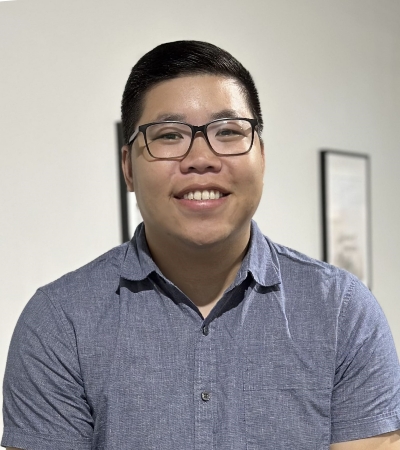

Torey Perez
PT, DPT
Easy Creamy Boursin Tomato Pasta
This creamy Boursin tomato pasta is one of those easy family recipes you discover and can’t stop making because the effortless of the whole process makes you feel like you are acing adulthood.

- 1 round (5.2 oz) garlic and herb Boursin cheese
- 20 oz (about 1.25 lbs) cherry tomatoes
- 2 whole garlic cloves, peeled
- Fresh basil sprigs (plus extra for garnish)
- ½ tbsp fresh chives, chopped
- Olive oil, for drizzling
- Salt and black pepper
- 8–10 oz dried pasta (farfalle or fusilli)
- 4–5 oz sliced salami, chopped
- Grated Parmesan, for serving
Instructions:
- Prep: Preheat oven to 400°F.
- Assemble: Place the Boursin in the center of a large baking dish. Surround it with the tomatoes, garlic, basil, and chives. Drizzle generously with olive oil and season with salt and pepper.
- Roast: Bake for 30 minutes until the tomatoes burst and the cheese is hot.
- Boil: Meanwhile, cook the pasta in boiling salted water until al dente (about 8–9 minutes). Drain well.
- Mash & Mix: Remove the dish from the oven and mash the tomatoes, garlic, and cheese into a creamy sauce.
- Combine: Stir in the chopped salami and cooked pasta until evenly coated.
- Serve: Garnish with Parmesan, fresh basil, and black pepper.