
Make A Strong Rotator Cuff Recovery with Physical Therapy
September 2025 Newsletter
Don’t Skip Your Physical Therapy Appointments After A Rotator Cuff Injury – Here’s Why!
It is estimated that as many as 2 million adults are diagnosed with rotator cuff injuries every year in the United States. Up to 80% of those patients initially choose non-surgical treatments, like physical therapy, to repair and recover from the injury rather than undergoing a surgical procedure. Research suggests that approximately 90% of patients have positive outcomes and improved function with physical therapy, especially when the rotator cuff injury is identified and treated early.
The decision for surgical repair is typically based on factors such as the severity of the injury, the patient’s age and activity level, and their response to non-surgical treatments. Fortunately, physical therapy can help you prepare for surgery, promote healing, and improve your recovery, whether you have surgery or not.
Whether you need surgery or not, recover stronger than ever with physical therapy for rotator cuff injuries.
What is a Rotator Cuff Injury?
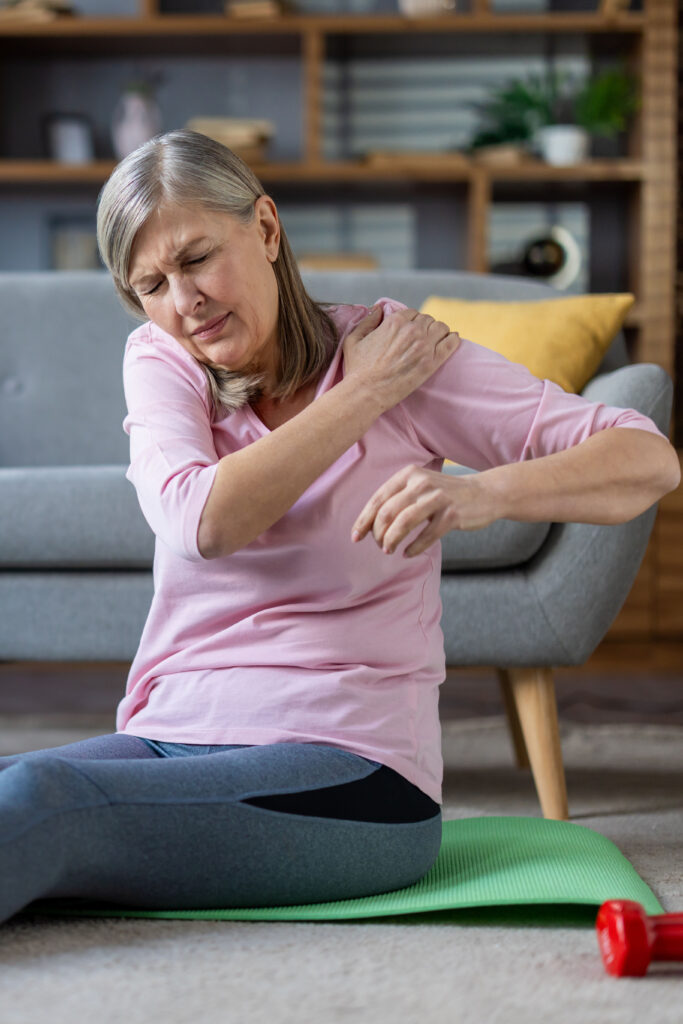
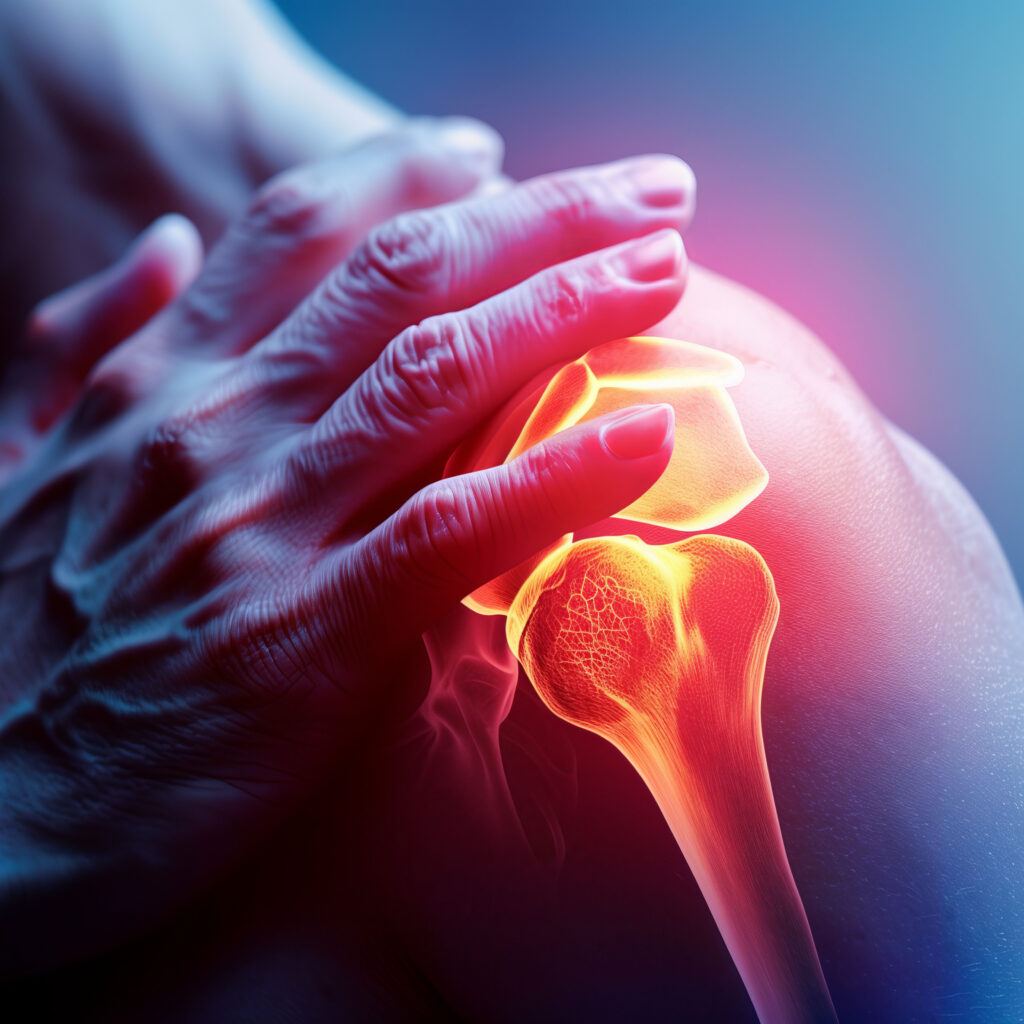
The rotator cuff is a group of muscles and tendons surrounding the shoulder joint that plays a significant role in the movement and stability of the joint. The muscles work together to stabilize the shoulder joint and facilitate various movements, such as lifting and rotating the arm.
Rotator cuff injuries can occur due to a variety of causes.
- Repetitive overhead motions
- Sudden trauma or injury
- Degeneration due to aging
Physical Therapy Before and After Rotator Cuff Repair Surgery
Considering rotator cuff surgery? Physical therapy can be your secret weapon for a smoother journey before and after the procedure.
Pre-Surgery Advantage:
- Go into surgery stronger: Build muscle strength and control around your shoulder for better support during healing.
- Reduce pain and restore motion: Physical therapists can use manual therapy techniques to minimize discomfort and improve range of motion.
- Recover faster: Stronger muscles translate to a quicker recovery and regaining full shoulder function.
- Prepare mentally: Understand what to expect post-surgery and gain strategies to optimize your recovery, boosting your confidence.
Post-Surgery Benefits:
- Manage pain effectively: Our therapists use a variety of manual techniques and modalities to keep pain at bay.
- Regain lost motion: Our team will help stretch and loosen any restrictions to restore your shoulder’s range of motion.
- Rebuild strength: Regain the strength you lost in your rotator cuff and supporting muscles.
- Return to your life: Physical therapy’s ultimate goal is to help you use your shoulder fully again, allowing you to perform daily activities without limitations.
- Prevent future injuries: Learn exercises to maintain strength and flexibility in your shoulder, reducing the risk of re-injury.
By incorporating physical therapy at PacificPro Physical Therapy & Sports Medicine before and after surgery, you’re setting yourself up for a successful rotator cuff surgery experience!
Expectations from Physical Therapy for Rotator Cuff Rehabilitation
Whether you opt for surgery or not, physical therapy is often the primary approach for rotator cuff injury rehabilitation. Physical therapy sessions may include a combination of techniques to alleviate symptoms and promote healing.
- Manual therapy to reduce pain and help improve blood flow
- Stretching to improve/restore shoulder range of motion
- Strengthening exercises to build the muscles in and around the shoulder joint and shoulder blades
- Functional movements to restore normal use of the shoulder
Personalized Treatment with PacificPro Physical Therapy & Sports Medicine
We begin every program with a detailed assessment of your health history and existing condition. Next, we conduct a comprehensive physical examination, including range of motion and strength testing. We’ll discuss your questions and concerns and set achievable goals for your recovery. You can expect a comprehensive therapy that includes:
- Emphasizing the importance of consistency with exercises to perform at home between sessions to maintain progress.
- Providing guidance on proper mechanics, posture, and techniques for activities involving the shoulder to prevent future injuries or re-injury of the rotator cuff.
- Preparing for a gradual reintroduction of activities and sports after recovery.
- Highlighting the significance of long-term maintenance through periodic check-ins, continued home exercises, and continuing a healthy lifestyle to maintain the strength and function of the rotator cuff.
A strong rotator cuff recovery with physical therapy involves a comprehensive approach that addresses pre and post-surgery needs or non-surgical treatment. With the guidance of our skilled physical therapists and your commitment to the rehabilitation process, you can regain shoulder function, mobility, and quality of life.
Early preparation and treatment are the keys to success, so give us a call today to schedule a consultation.

Book Your Appointment at PacificPro Physical Therapy & Sports Medicine Today!
Our physical therapy team will assess your condition to identify how your core affects your function. We’ll educate you on how your core affects your physical activity and contributes to the pain you may be experiencing. Our individualized exercise programs can reduce your pain and improve your overall quality of life!
Call us today to schedule an appointment!
The Importance of Home Exercises for Recovery
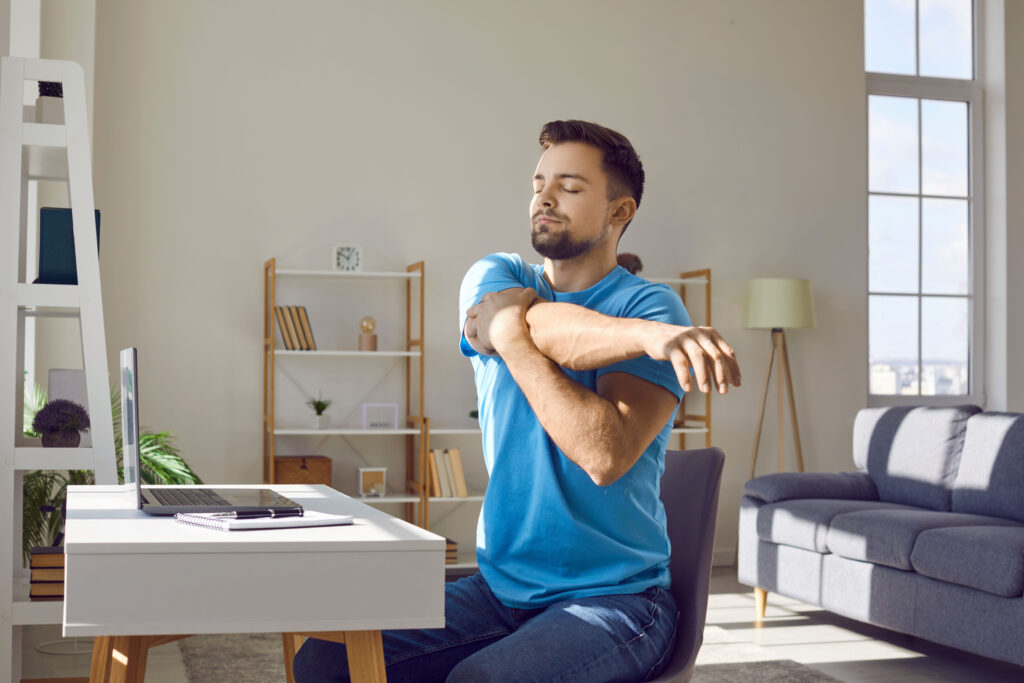
Home exercises prescribed by your physical therapist play a crucial role in the recovery process for various musculoskeletal injuries and conditions. Studies show that consistent adherence to home exercise programs significantly improves functional outcomes and reduces the risk of re-injury.
With rotator cuff injuries, patients who diligently followed their prescribed home exercise regimen experienced better shoulder function and decreased pain levels compared to those who were less compliant.
Positive mental health is a big part of a successful recovery. Active participation in home exercises can provide patients with a sense of empowerment and ownership over their recovery journey. When patients take an active role in their rehabilitation, it fosters a positive mindset and motivation towards achieving their goals.
Our PTs will educate you on the proper technique for each prescribed exercise so you can optimize your recovery without missing a beat.
-
Occupational Therapist Tips to Manage Arthritis Pain in the Hands
If everyday tasks like opening jars, turning doorknobs, or writing with a pen have become frustrating or painful, it could be hand arthritis, a relatively common condition. Fortunately, several occupational therapist tips can help you feel and function better in your day-to-day life. Multiple types of hand arthritis exist, and they all cause stiffness, pain,…
-
How Physical Therapy Can Improve Back Pain After Surgery
Back surgery is often a necessary step toward restoring function and reducing severe symptoms, but it doesn’t always mean the pain disappears immediately. In fact, many people continue to experience back pain after surgery, whether from stiffness, inflammation, scar tissue, or altered movement patterns. When that happens, recovery requires more than just time; it requires…
-
Chronic Dizziness Causes Explained: Conditions That Disrupt Balance
Feeling dizzy every now and then isn’t necessarily a cause for concern, but when that feeling sticks around, it may be time to take a closer look. That’s especially true if chronic dizziness makes everyday tasks feel uncertain or even dangerous. However, understanding the causes of chronic dizziness is the first step toward finding relief.…

Our Patients Get Great Results
“Best PT experience I have had, after several athletic injuries between travel and collegiate sports. Loved working with all the staff at PacificPro and would recommend to anyone in the area to seek care here. They are fun, relatable, flexible and always prioritized quality care.”
—Rachel W.
Exercise of the Month
Dead Bug
(Core, Lower Back)
Lie down on your back with your arms by your sides, your knees bent to 90-degrees, and your feet on the floor. Raise one arm up straight and one knee up towards the ceiling at the same time. Your arm should stay straight and be pointing straight up at the top and your knee should be at 90-degrees and be pointing straight up at the top. 3 Sets, 10 Reps.
Feel Better by Eating Better!

Protein PB & J Smoothie Bowl
- 1/4 cup almond, oat, or milk of your choice
- 2/3 cup frozen blueberries
- 2/3 cup sliced strawberries, frozen
- 1 scoop vanilla protein powder
- 1 tbsp peanut butter
- Optional toppings: 1 tablespoon melted peanut butter for drizzling, blueberries, chia seeds
Place your milk into the blender. Add frozen fruit, protein powder, and 1 tablespoon of peanut butter. Seal and blend until smooth. Pour out into a bowl. If using, melt the remaining peanut butter in the microwave for 30 to 45 seconds and drizzle over the bowl. Add desired toppings. Eat right away with a spoon!
The PacificPro Team
Trace Power
PT, MPT, CSCS
Bret Fairbanks
PT, DPT
Mason Nebrija
PT, DPT

Alyssa Raineri
PT, DPT

Michelle McClure-Smith
PT, DPT, OCS

Heather Snyder
PT, DPT, OCS
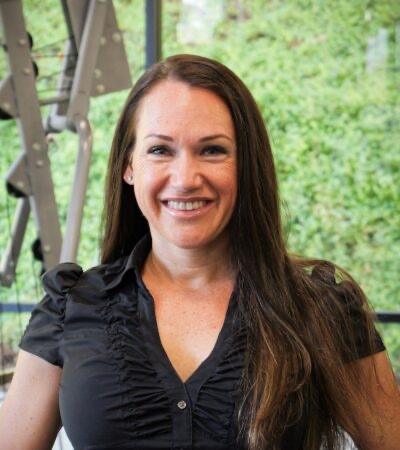
Erin Skrettingland
PT, DPT, OCS

Rujuta Shah
PT, OCS
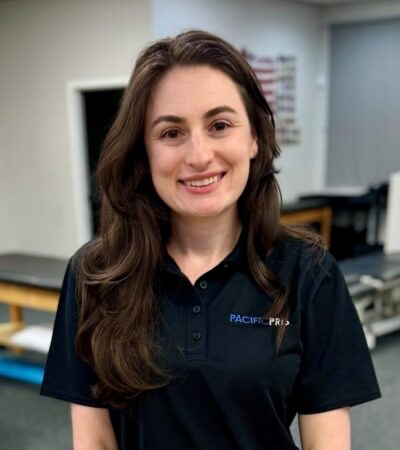
Erika Rothfeld
PT, DPT
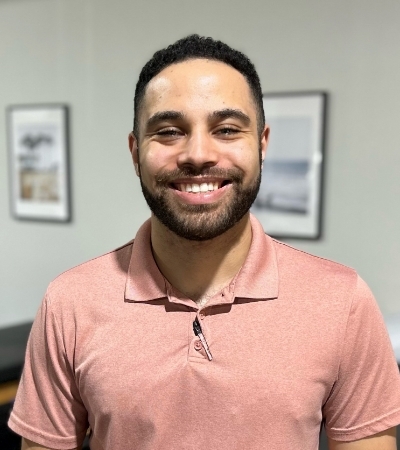
Tre Duplechan
PT, DPT
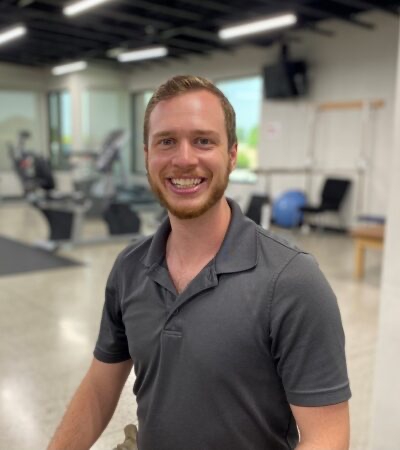
Johnny Kiskin
PT, DPT

Karli Baker
PT, DPT

Amanda Baxter
Director of Marketing
Kortney Croker
Director of Front Offices

Amanda Hurst
PT, DPT

Dean Loomis
PT, DPT
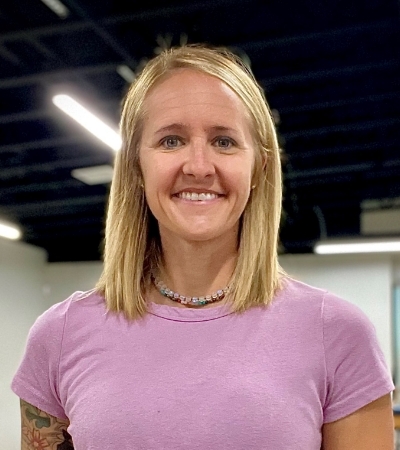

Jessica Sparschu
PT, DPT

Cade Vinsky
PT, DPT
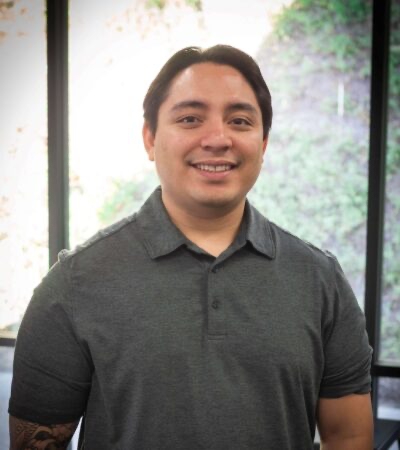
Allan Anolin
PT, DPT
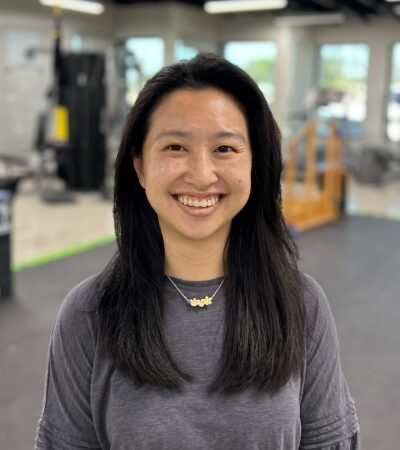
Stephani Quijano
PT, DPT

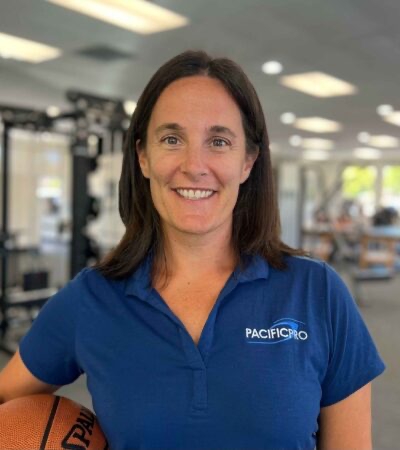


Spencer Ly
OTR/L, CNS

Josephine Nguyen
PT, DPT

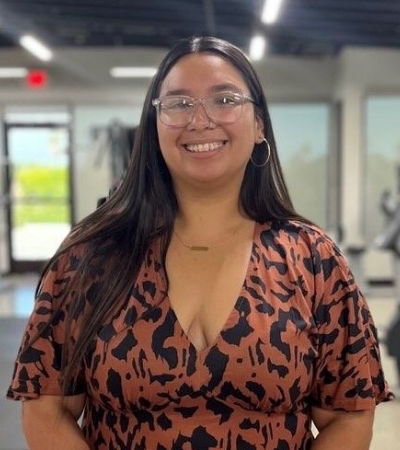
Coral Montes
Front Office Manager

Kylie Mann
PT, DPT
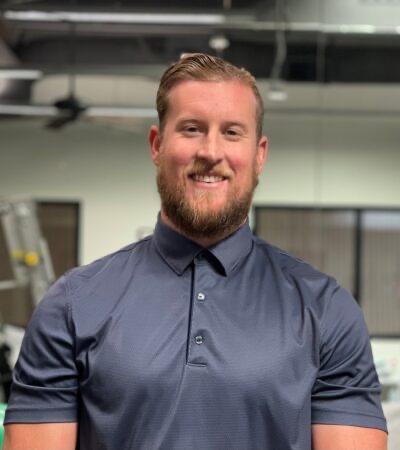
Shawn Troutman
PT, DPT, CSCS-NSCA
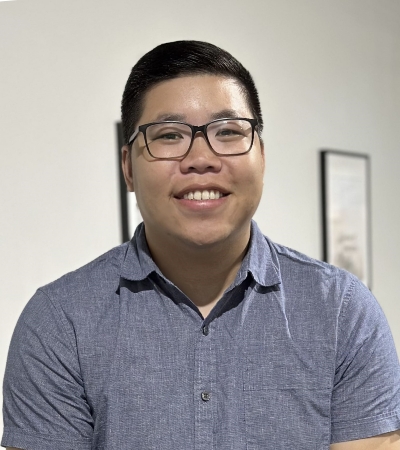

Torey Perez
PT, DPT

Boost Your Game with Injury Prevention Tips!
At PacificPro, we are totally focused on helping athletes like you get back on track if you’ve had a recent injury. We check out what’s causing any aches or trouble moving so we can figure out the best way to help you.
We’ll also guide you through the steps to prevent injuries and ensure you are getting stronger and ready to return to the sport you love so much.
Here Are Our Top Tips to Help You Stay Injury-Free:
Our goal is to help you return to your training and competition, using targeted exercises that help prevent any injuries. We’re here to help you face your sport’s challenges with more strength and confidence!