


Back Pain Slowing You Down? Physical Therapy Can Help!
July 2025 Newsletter
Here’s a fact about back pain that may bring you some comfort: it’s one of the most common musculoskeletal complaints in the world. Around 80% of people will have back pain at least once. So, if you’re suffering now, you probably aren’t the only one!
Of course, that thought does little to help if your back pain keeps you from performing day-to-day activities — as it often does. Back pain is often accompanied by mobility restrictions that make walking, rising from sitting, or bending over difficult. And if left untreated, it can sometimes lead to long-term pain and dysfunction.
At PacificPro Physical Therapy & Sports Medicine, we know how debilitating back pain can be. Our team of dedicated physical therapists will help you understand the cause or causes of your back pain and work with you to develop a personalized treatment plan that will let you get back to the activities you love to do.
Call our clinic today to set up your initial consultation!

What Causes Back Pain?
One of the reasons that back pain is so common is that it’s associated with several different injuries, underlying conditions, or lifestyle factors. That said, most back pain is non-specific, meaning it’s not caused by a specific disease or specific structural problem, but caused by mechanical issues. Mechanical issues are difficult to pinpoint and may include multiple tissues in and around the spinal joints.
The first step in treating your back pain is understanding what’s contributing to it. Our therapists will perform a comprehensive evaluation to help us learn as much as possible about your experience with back pain, including screening for any mobility limitations or weakness you’re struggling with.
Here are some of the more common sources of back pain that we see at our clinic:
Lifestyle Factors: Several factors can contribute to lower back pain, including improper posture, prolonged sitting, or weakness in the muscles that wrap and support your spine (your core muscles).
Strains and Sprains: A strain occurs when you injure the muscles in your back. A sprain occurs when you injure the ligaments that link your spinal vertebrae. Both can cause pain and limited mobility, and they often result from lifting with improper form (such as twisting while lifting) or attempting to lift something too heavy.
Herniated Discs: Soft, flexible discs separate and cushion your spinal vertebrae. If one of those discs herniates — that is protrudes out — and irritates a nearby nerve, it can lead to intense pain, feeling “stuck” in a stooped over position, and often pain down the leg known as sciatica.
Osteoarthritis: Osteoarthritis is the most common form of arthritis in the world, occurring when the cartilage and bone tissue in a joint degenerate and become inflamed. While we often associate it with the hips, knees, or hands, it can occur in the spine, too. Spinal osteoarthritis is sometimes called spondylosis.

Why Physical Therapy at PacificPro Physical Therapy & Sports Medicine Is Your Back Pain Solution
While back pain often resolves on its own within 1-3 months, physical therapy is an excellent choice for people with particularly intense pain or extremely restrictive mobility. It’s also useful for people with chronic back pain — defined as pain that lingers past that three-month mark.
We customize all our back pain treatment plans according to your specific needs: the location and severity of your back pain, any mobility restrictions, your ability level, and overall goals. We’ll work to address the underlying issues causing your pain rather than simply masking the symptoms.
How will we do this? Through a blend of the following techniques:
- Prevention strategies help reduce future back pain incidents. These strategies might include postural corrections or suggestions for at-home exercises, such as a walking program or regular strength and mobility practice.
- Manual therapy helps manage pain, promote blood circulation, and improve mobility.
- A personalized therapeutic exercise plan improves the strength, flexibility, and endurance of your back and core muscles. Muscle weakness significantly contributes to lower back pain, so exercise is a must.
- Specialized training, such as proper techniques and activities that simulate functional movements you’ll need to perform (i.e., squats, lunges, lifting, etc.).
- Prevention strategies help reduce future back pain incidents. These strategies might include postural corrections or suggestions for at-home exercises, such as a walking program or regular strength and mobility practice.

Get Moving Again with Physical Therapy!
Back pain is more than just pain. It can severely restrict your mobility, leading to less exercise and movement, further contributing to pain and dysfunction. The PacificPro Physical Therapy & Sports Medicine team is here to help you break that cycle and find relief from back pain for good.
Call us today to schedule an appointment!

Our Patients Get Great Results
“The staff at Pacific Pro is very professional, friendly and truly care about your well-being!
The facility is spotless and cleaned after each person’s use of equipment.
Both my husband and I are going to PacificPro at this time for different ailments.
I’ve been to other PT locations in the past. This place is without a doubt the best. Highly recommend.“
—Nick S.
Exercise of the Month
PRONE HIP EXTENSION
Lie face down with your legs straight. Tighten your core and lift one leg off the ground without bending the knee, then lower slowly. Alternate legs to strengthen your glutes and lower back.

Feel Better by Eating Better!
Golden Gazpacho with Minted Cream
Fresh, mint-flecked cream is an elegant final touch to this summery soup of yellow tomatoes, peppers, and squash. This recipe originally appeared in The Beekman 1802 Heirloom Vegetable Cookbook by Brent Ridge, Sandy Gluck, and Josh Kilmer-Purcell.
Ingredients
- 1 lb. yellow tomatoes, cored and cut into large chunks
- 1 yellow bell pepper, cut into large chunks
- 1 small yellow squash (4 ounces), cut into large chunks
- 2 shallots, peeled and halved
- 1 cup carrot juice
- 2 Tbsp. sherry wine vinegar
- 3/4 tsp. kosher salt
- 1/2 cup fresh mint leaves
- 1/2 cup sour cream
Step 1 In a blender, combine tomatoes, bell pepper, squash, shallots, carrot juice, vinegar, and salt; purée until smooth. Transfer to a container and refrigerate until chilled.
Step 2 In a small saucepan of boiling water, cook the mint leaves for 10 seconds to set the color. Drain and rinse under cold water. Squeeze dry and finely chop. Transfer to a small bowl with sour cream and stir to combine.
Step 3 Serve soup in chilled bowls and top each with a dollop of minted sour cream.
https://www.countryliving.com/food-drinks/recipes/a5197/golden-gazpacho-minted-cream-recipe-clx0614
The PacificPro Team
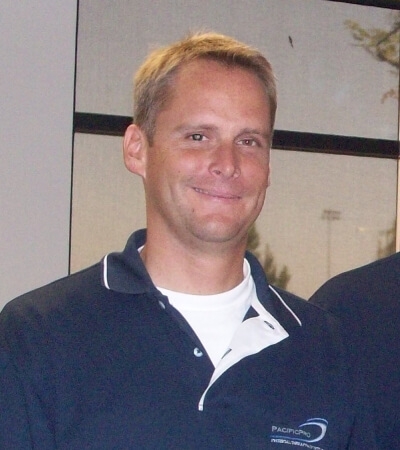
Trace Power
PT, MPT, CSCS

Bret Fairbanks
PT, DPT

Mason Nebrija
PT, DPT

Alyssa Raineri
PT, DPT

Michelle McClure-Smith
PT, DPT, OCS

Heather Snyder
PT, DPT, OCS

Erin Skrettingland
PT, DPT, OCS

Rujuta Shah
PT, OCS

Erika Rothfeld
PT, DPT
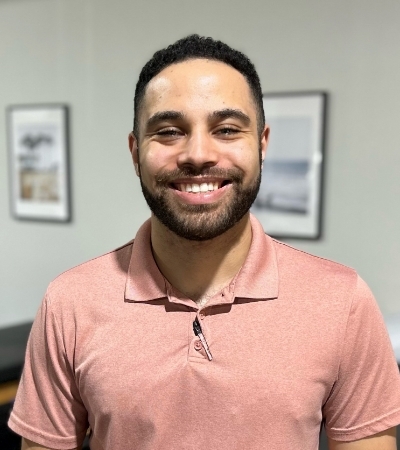
Tre Duplechan
PT, DPT
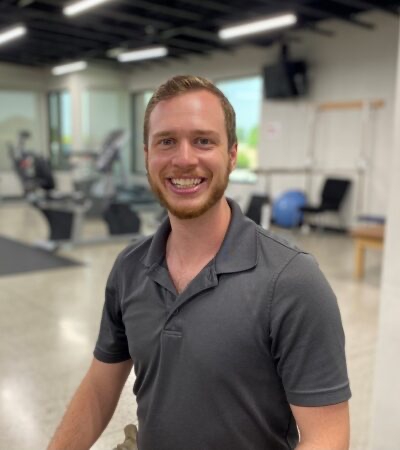
Johnny Kiskin
PT, DPT

Karli Baker
PT, DPT


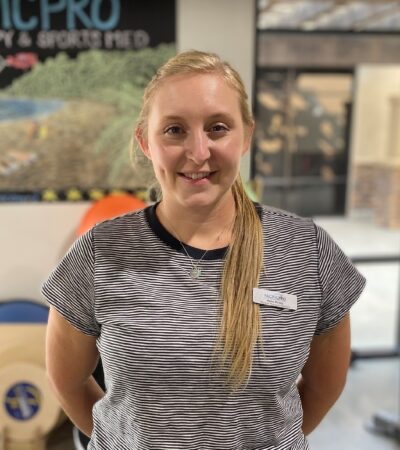

Amanda Baxter
Director of Marketing
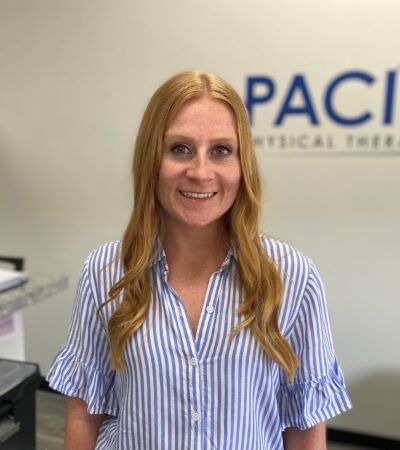
Kortney Croker
Director of Front Offices
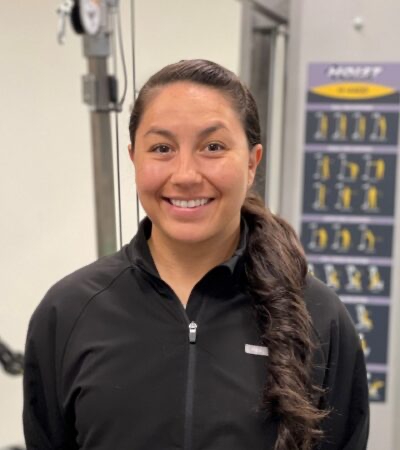

Amanda Hurst
PT, DPT
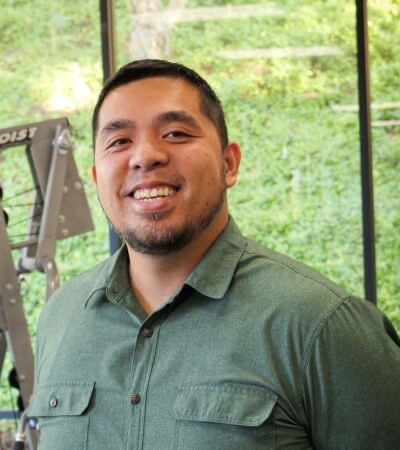
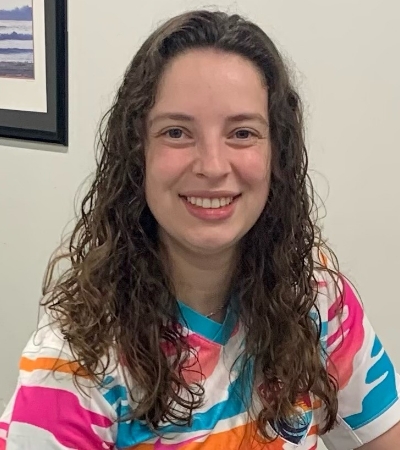


Dean Loomis
PT, DPT
Jessica Sparschu
PT, DPT

Cade Vinsky
PT, DPT

Allan Anolin
PT, DPT

Stephani Quijano
PT, DPT




Spencer Ly
OTR/L, CNS

Josephine Nguyen
PT, DPT


Coral Montes
Front Office Manager

Kylie Mann
PT, DPT

Shawn Troutman
PT, DPT, CSCS-NSCA

Torey Perez
PT, DPT

Are You In Pain?
Come Back to PT!
1. Keep up with your physical therapy exercises to relieve pain and prevent further injuries.
2. If your pain doesn’t subside, consult with your therapist about what other things might be causing your pain.
3. Contact PacificPro for an appointment. We will guide you so you can get back to the activities you love.