


A Comprehensive Look at How Posture Affects the Shoulder
May 2025 Newsletter
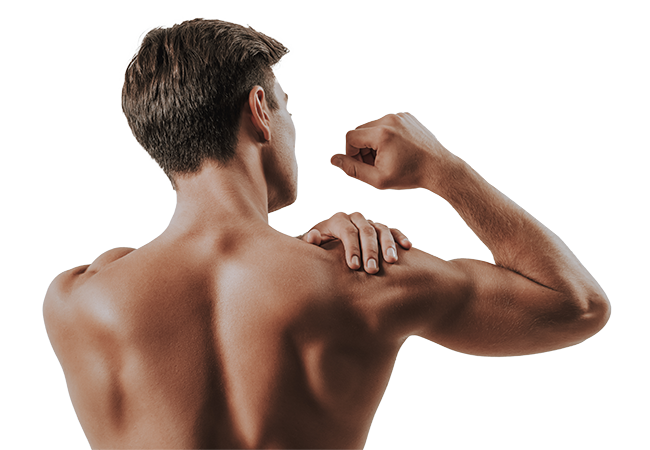
Shoulder pain is an all-too-common complaint, making routine activities like lifting, typing, and even sleeping difficult. It seems like every week we get a patient who comes to us with shoulder pain related to poor postural habits.
A lot of people know the old song about how the foot bone is connected to the knee bone (and the knee bone is connected to the thigh bone and so on). In the world of physical therapy, we call this regional interdependence. This means something in one area of the body is affecting another area. As the song says: it’s all connected.
Well, this is definitely true when it comes to the functioning of our shoulder joints. Poor postural habits and prolonged slumped postures put the shoulder in a vulnerable position, making it susceptible to pain or injury. The good news is our therapists at PacificPro Physical Therapy & Sports Medicine have extensive training in identifying all the factors that are contributing to your shoulder pain and, most importantly, how to resolve them, one by one!
How Posture Impacts the Shoulder
One significant factor contributing to shoulder pain is Upper Crossed Syndrome (UCS). This condition is characterized by postural changes that affect how the muscles of our upper back and shoulder girdle work, which in turn affects the normal movement patterns in the entire upper portion of the body.
The classic signs of Upper Crossed Syndrome include:
Forward head posture: The head is positioned forward in relation to the shoulders.
Rounded shoulders: The shoulders are rounded forward, causing the upper back to appear hunched.
Increased thoracic kyphosis: The upper back has an increased curvature, leading to a rounded appearance.
Protracted shoulder blades: The shoulder blades are positioned more forward and away from the spine.
Weak deep neck flexors: The muscles at the front of the neck that help stabilize the head are weak.
Tight pectoral muscles: The muscles in the chest area are tight and may contribute to the rounded shoulder posture.
Weak scapular stabilizers: The muscles that stabilize the shoulder blades are weak, leading to altered movement patterns.
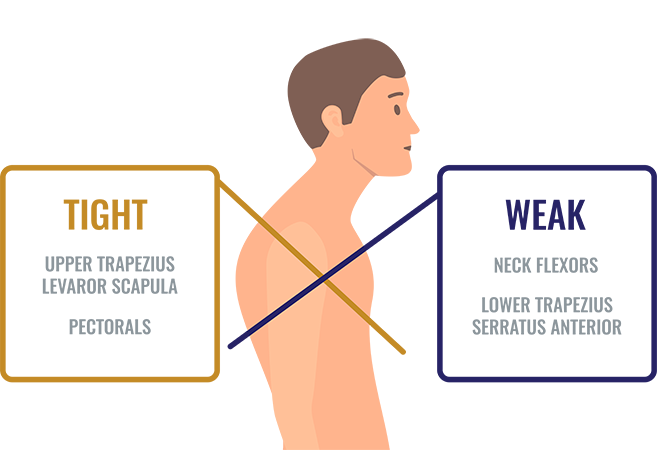
These issues often lead to shoulder pain, limited range of motion, and impaired muscle function. Although the signs are common in a lot of people, not everyone with these signs will have the same symptoms. This is why it is essential to consult one of our physical therapists to identify your specific needs and design a tailored treatment plan that addresses your situation.
The Role of Physical Therapy in Resolving Your Pain
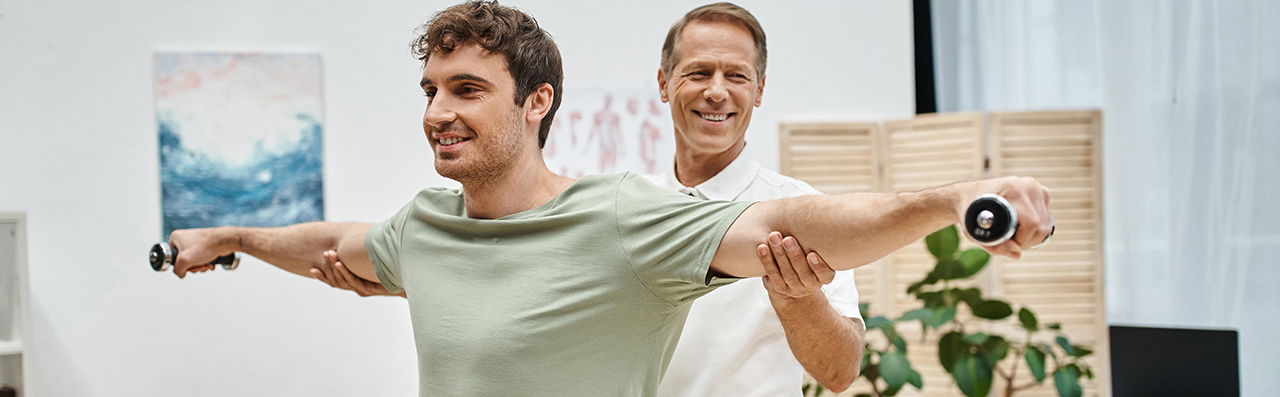
The first step to resolving your shoulder pain is a comprehensive evaluation. Our physical therapists will conduct a thorough history and physical exam that includes an assessment of your posture as well as the function of your shoulder blade musculature to identify any obvious changes to muscle activation and movement patterns.
Based on the assessment, our physical therapists will design tailored exercise regimens that address not only muscle length and strength but also neuromuscular factors. This could lead to more lasting relief and functional improvement.
Our team uses a functional approach that is rooted in neurology. We consider the interaction between your nervous systems, biomechanics of your spine and shoulder joints, as well as muscle function. This allows us to not only identify and address any imbalances in muscle length and strength but also from neuromuscular factors like muscle recruitment.
These exercises may include work on your spinal joint mobility and strengthening exercises to correct any postural dysfunctions contributing to your conditions. Our team spends a lot of time educating you about how you are holding and moving your body to ensure you have the tools to train your body in the proper movement patterns that help to correct imbalances and offer lasting relief.

Take the First Step Towards Lasting Relief Today
If you’re experiencing persistent shoulder pain, limited range of motion, or discomfort in your upper body, the time to act is now. These signs are not just distressing; they can have a long-term impact on your quality of life and overall well-being.
Reach out to PacificPro Physical Therapy & Sports Medicine today for a comprehensive assessment and personalized treatment plan designed to restore balance to your muscles, improve your posture, and, most importantly, alleviate your pain!

Our Patients Get Great Results
“I continue to highly recommend PacficPro Physical Therapy. I have been a patient in their Irvine clinic since 2012. I am currently receiving treatment to relieve pain and strengthen the muscles in my left shoulder. I was recently diagnosed by my orthopedist for rotator cuff syndrome. I have gone for rehab in the past after a hip replacement, multiple hip revisions, kyphoplasty, right rotator cuff surgery and a knee replacement. The physical therapists are exceptional, caring, and supportive. I have been treated by Alyssa & Dean and they are outstanding. PacificPro only hires the best, and I assure you whatever physical therapist is available with your schedule, will give you the very best treatment and outcome. I have never been disappointed and my quality of life after every injury/surgery has been more than I ever hoped for. The front office staff is wonderful on getting you appointments and the PT assistants are very knowledgeable, warm and caring. The exercise equipment is top notch and atmosphere is very inviting.”
— Diane D.
“I Love ❤️ this Place…BEST PHYSICAL THERAPY PLACE IN CORONA, CALIFORNIA..THE STAFF IS INCREDIBLE AND NICE AND PROFESSIONAL 😊 …”
—Debra M.
“Ben and Natalia are great. I highly recommend this place. Although this location recently opened, I have been a patient of Pacific Pro (Corona location) and Ben for over six months. Ben is a great PT and does a great job creating a therapy / workout plan to get you back to functioning athletic health. He addresses your health complaints and coordinates with your surgeon to make sure everything is within the correct protocol. I am recovering from ACL reconstruction and meniscus repair. Ben and PacificPro worked with me prior to my surgery. I had numerous prehab sessions which strengthened me for surgery. After surgery, I recovered and return to athletic ability faster then projected because of their great work. Natalia assists patients with admin tasks and patient exercises also. She’s great at juggling insurance billing and scheduling your sessions. The location is well lit, clean, and spacious. They are located across the parking lot from 24hr fitness. Choose PacificPro Chino Hills for a healthy life.”
— Kevin G.
Staff Spotlight
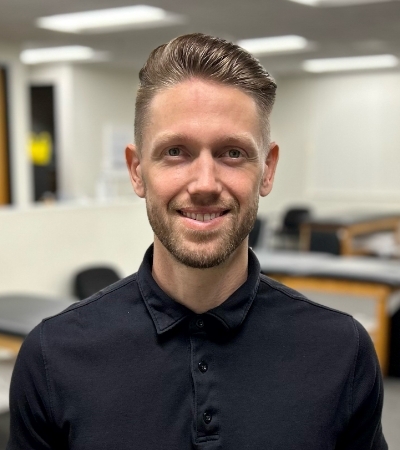
Dean Loomis, PT, DPT
Dean received a Bachelor of Science degree in Sports Psychology from Long Beach State University prior to pursuing a Doctorate in Physical Therapy from Chapman University. With a genuine love for sports, he actively participates in lacrosse, basketball, baseball, soccer, and golf. Dean also has over a decade of experience as a trainer and is an avid weightlifter. He recognizes the significance of teaching movement and has a profound passion for treating orthopedics and sports medicine.
The dedication lies in not only aiding individuals in recovering from injuries but also guiding them toward thriving in their daily activities. In his spare time, Dean loves to stay active by exploring new physical activities, weightlifting, biking, and hiking with his fiancé and dog Axel.
Go to the Pain, Not Through the Pain
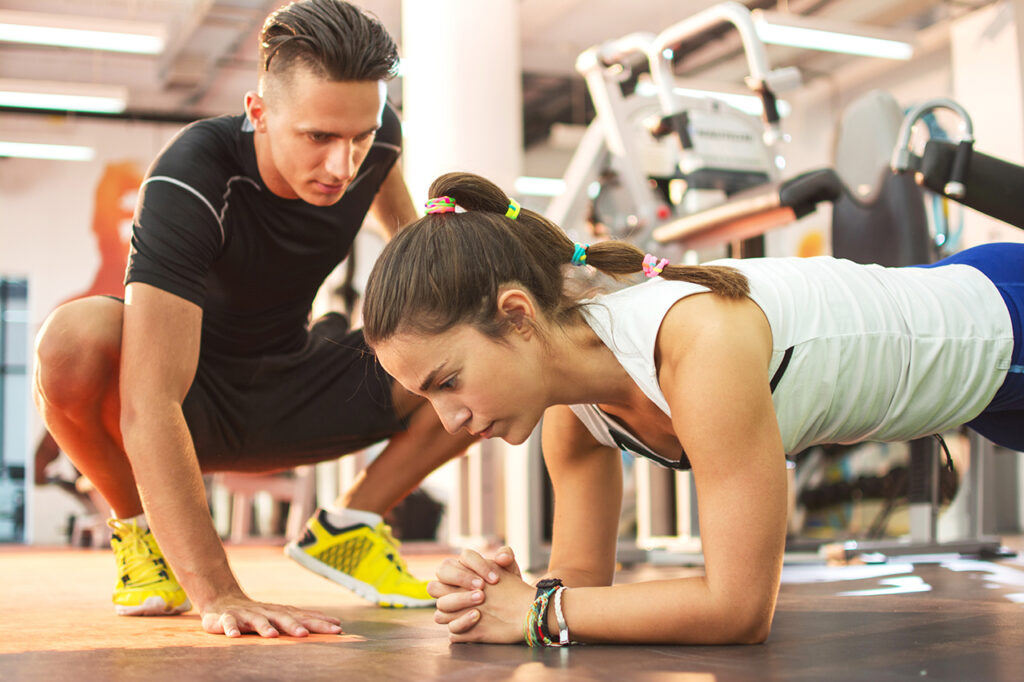
The days of “no pain, no gain” are hopefully in the past. The idea of emphasizing pushing through discomfort to achieve results is not an effective solution for most people dealing with a painful condition, injury, or chronic condition. In fact, recent research suggests that a more holistic approach is effective and, indeed, safer for patients.
Pain is our body’s way of letting us know that something is happening in the body. When a nerve ending is triggered, an impulse travels to the brain, alerting us that something is happening. It is a warning sign or an alarm. How this impulse is interpreted varies from person to person and is influenced by a multitude of factors. Aggressively pushing through pain can worsen the underlying issues and potentially result in long-term damage. The key is getting help from people who work with painful conditions every day, like our therapists at PacificPro Physical Therapy & Sports Medicine!
How Physical Therapy Can Help You Find Relief
In cases of musculoskeletal disorders and injuries, applying excessive stress on already agitated tissues can prolong the healing process and even cause further injury. In comparison, going to the pain but not through it means cautiously approaching the edge of discomfort without crossing it, which can help your body progress without delaying your recovery.
Our objective is to work within a “therapeutic window”: a range of activities that stimulates the body’s natural healing mechanisms without triggering negative responses.
At PacificPro Physical Therapy & Sports Medicine, we educate our patients about pain to help them understand their conditions better and actively participate in treatment. Our therapist can help you learn “pacing,” where activities are broken down into manageable parts, helping you to avoid extreme ups and downs of feeling good one day and an increase in pain and inactivity the next.
By respecting the body’s pain signals and working within a therapeutic window, our approach aims to achieve long-term functional gains without the risks associated with pushing through pain.
Let’s get started!
Exercise of the Month
Pendulum With Support
Start by placing your unaffected hand on a table or chair for support with your affected arm hanging straight down in front of your chest. Slowly start moving your hips from side to side and let the momentum from your lower body cause your hanging arm to begin moving in a side-to-side motion. As symptoms improve, increase the diameter of your swing, but never force it. 3 sets, 10 reps.


.
Feel Better by Eating Better!
Mango Lassi Smoothie!
Bursting with flavor and protein, this mango lassi-inspired smoothie is your go-to fuel for a busy day. Made with sweet frozen mango, rich Greek-style yogurt, and nourishing hemp seeds, it’s a creamy, energizing blend that keeps you satisfied. Enjoy it as a quick breakfast, a post-workout pick-me-up, or a refreshing anytime snack.
Ingredients
- 1 pitted dried date
- 1 cup whole milk
- ¼ cup whole-milk plain strained (Greek-style) yogurt
- 1 cup frozen mango chunks
- ¼ teaspoon ground cardamom
- 1½ tablespoons hulled hemp seeds, divided
Place 1 date, 1 cup milk, ¼ cup yogurt, 1 cup frozen mango, ¼ teaspoon cardamom, and 1 tablespoon hemp seeds in a blender. Process until smooth, about 1 minute, stopping to scrape down sides as needed.
Pour the smoothie into a glass; top with the remaining ½ tablespoon hemp seeds.
The PacificPro Team
Trace Power
PT, MPT, CSCS

Bret Fairbanks
PT, DPT

Mason Nebrija
PT, DPT

Alyssa Raineri
PT, DPT

Michelle McClure-Smith
PT, DPT, OCS

Heather Snyder
PT, DPT, OCS
Erin Skrettingland
PT, DPT, OCS

Rujuta Shah
PT, OCS
Erika Rothfeld
PT, DPT
Tre Duplechan
PT, DPT
Johnny Kiskin
PT, DPT

Karli Baker
PT, DPT

Amanda Baxter
Director of Marketing
Kortney Croker
Director of Front Offices

Amanda Hurst
PT, DPT
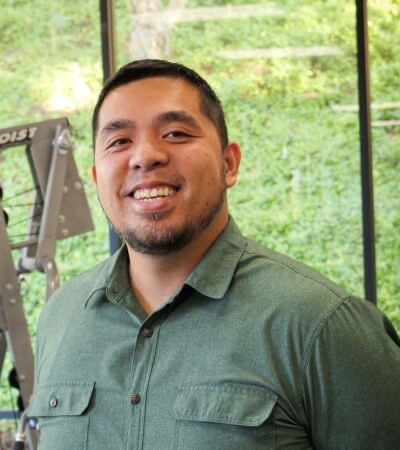
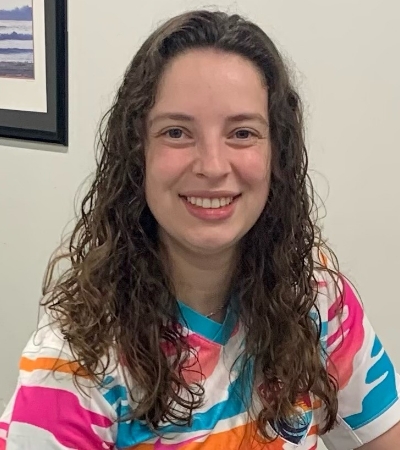

Dean Loomis
PT, DPT
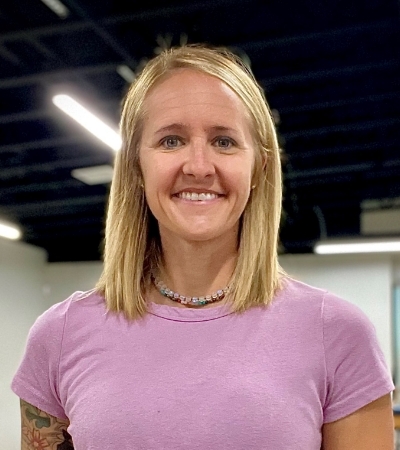
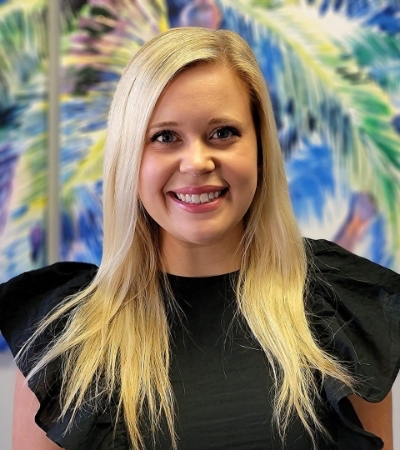
Jessica Sparschu
PT, DPT

Cade Vinsky
PT, DPT
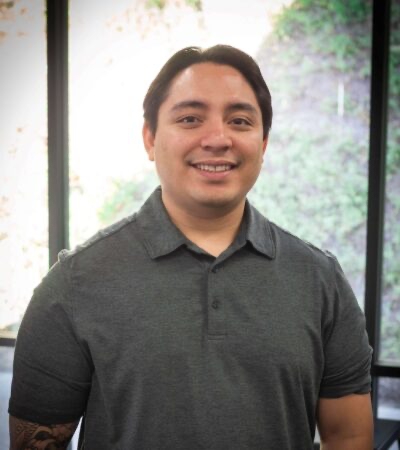
Allan Anolin
PT, DPT
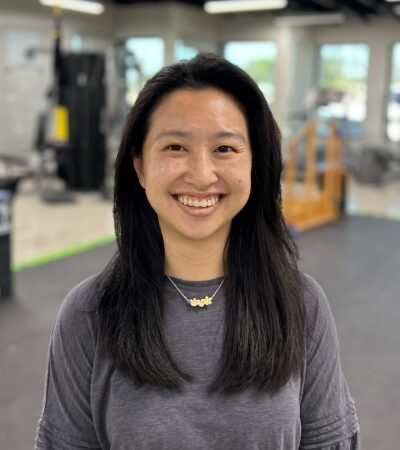
Stephani Quijano
PT, DPT

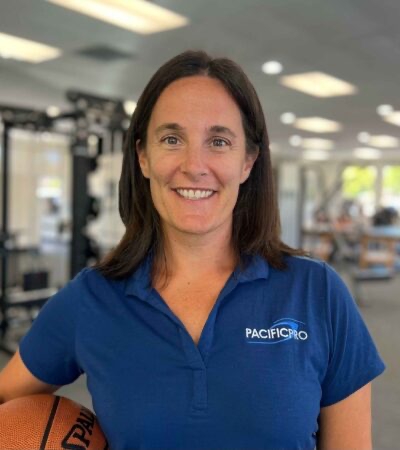


Spencer Ly
OTR/L, CNS

Josephine Nguyen
PT, DPT

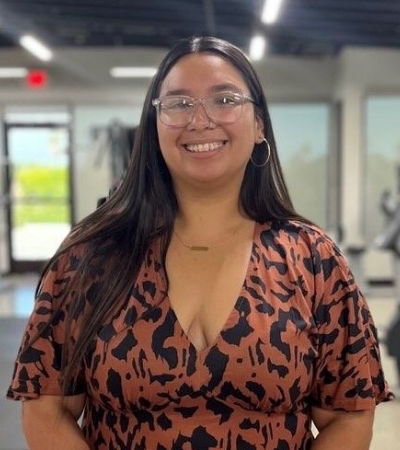
Coral Montes
Front Office Manager

Kylie Mann
PT, DPT
Shawn Troutman
PT, DPT, CSCS-NSCA

Torey Perez
PT, DPT
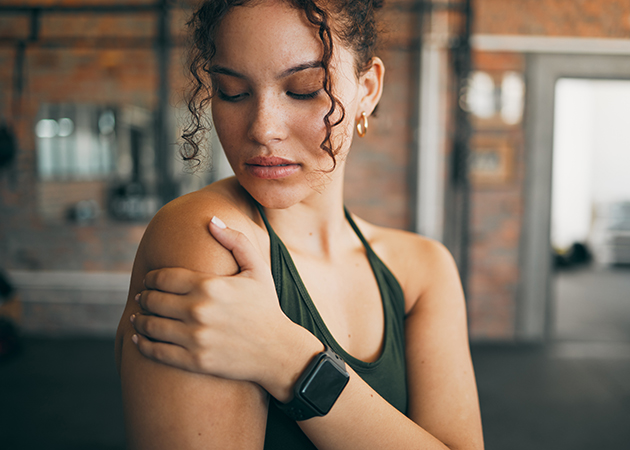
Are You In Pain?
Come Back to PT!
1. Keep up with your physical therapy exercises to relieve pain and prevent further injuries.
2. If your pain doesn’t subside, consult with your therapist about what other things might be causing your pain.
3. Contact PacificPro for an appointment. We will guide you so you can get back to the activities you love.