

What Gait Abnormalities in Adults Can Tell You
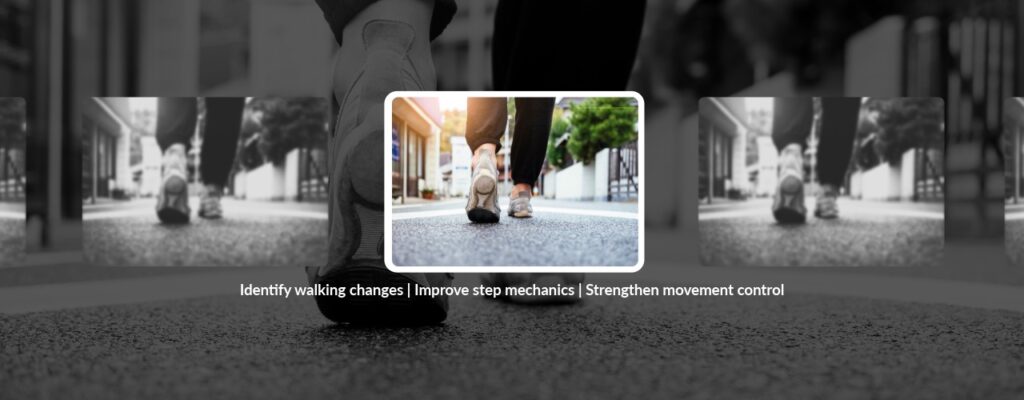

The way you walk reveals more about your health than most people realize. Gait abnormalities in adults are changes in walking patterns that signal something in the body is not functioning as well as it should. Some are subtle and easy to dismiss. Others are more obvious and directly affect daily safety and independence. Either way, understanding what these changes mean and what drives them is the first step toward addressing them effectively.
Walking Is More Complex Than It Looks
Normal walking requires precise coordination between the brain, nervous system, muscles, and joints. Every step involves a carefully timed sequence of muscle activation, weight transfer, and balance adjustments. When any part of that system is not working well, the walking pattern changes. The body adapts to keep moving, but those adaptations often create their own problems over time.
Why Gait Changes Happen
Gait abnormalities in adults develop for many different reasons. Muscle weakness around the hip, knee, or ankle is one of the most common contributors. Joint stiffness from arthritis or injury limits how freely the leg moves through each step. Pain causes people to shift weight away from sensitive areas, which changes timing and mechanics. Neurological conditions affect how signals travel between the brain and muscles. Balance difficulties alter how confidently weight is shifted from one foot to the other. Sleep disruption, reduced activity levels, and prolonged periods of inactivity also contribute to the gradual decline in walking quality that many older adults experience.
What Gait Problems Feel and Look Like
Changes in walking patterns often develop slowly, which is why many people do not notice them until they become significant. Common signs include:
- Shuffling steps or reduced foot clearance during the swing phase
- A wider stance than usual to maintain balance
- Leaning to one side or forward while walking
- Uneven step length between the left and right sides
- Difficulty making turns or stopping quickly
- Increased reliance on walls, furniture, or another person for support
If any of these patterns sound familiar, contact PacificPro Physical Therapy & Sports Medicine to schedule an evaluation and find out what is contributing to the change.
What Helps Restore a Safer, More Confident Walk
Addressing gait abnormalities in adults starts with identifying the specific contributors rather than applying a general approach. Staying active within comfortable limits slows the decline in muscle strength and joint mobility that often underlies walking problems. Targeted strengthening of the hip, core, and lower leg muscles directly improves the mechanics of each step. Balance training builds the automatic responses the body relies on to stay stable during walking. Occupational therapy can support daily safety by addressing how the home environment and everyday tasks interact with current walking ability.
What the Evaluation at PacificPro Physical Therapy & Sports Medicine Looks For
A thorough evaluation examines the full picture of how you move. Your clinician assesses how each segment of the lower body contributes to your walking pattern, which muscle groups are not activating with enough strength or timing, how your balance and postural control respond during movement, and whether any findings suggest a need for further medical review.
How Treatment Supports Better Movement
Care at PacificPro Physical Therapy & Sports Medicine is built around what the evaluation reveals. Physical therapy uses progressive strength and balance work to rebuild the foundation of a safe and efficient walking pattern. Manual therapy addresses joint stiffness that limits how freely the leg moves through each step. Gait retraining helps the nervous system relearn more efficient movement patterns through guided, purposeful practice. Where daily function and home safety are also a concern, occupational therapy works alongside physical therapy to support a broader return to independence.
When Gait Changes Need Prompt Attention
Some changes in walking pattern deserve immediate evaluation, including:
- A sudden shift in gait that appears without explanation
- Significant instability that increases fall risk
- Progressive leg weakness
- A new neurological symptoms such as foot drop or dragging
Each of these warrants prompt clinical assessment, and acting quickly in these situations leads to better outcomes.
What a Steadier Future Looks Like
Gait abnormalities in adults are not an inevitable part of getting older that must simply be accepted. Many people who address these changes with the right support go on to walk with greater ease, navigate their environment more confidently, and reduce their risk of falls significantly.
Picture moving through your home without hesitation. Walking outside without mapping every uneven surface. Keeping up on outings with family or friends without fatigue or worry pulling at your attention. That kind of freedom is what good rehabilitation works toward, and it starts with a single evaluation at PacificPro Physical Therapy & Sports Medicine. Reach out today to schedule yours.