

Degenerative Disc Disease and Back Pain Management Strategies
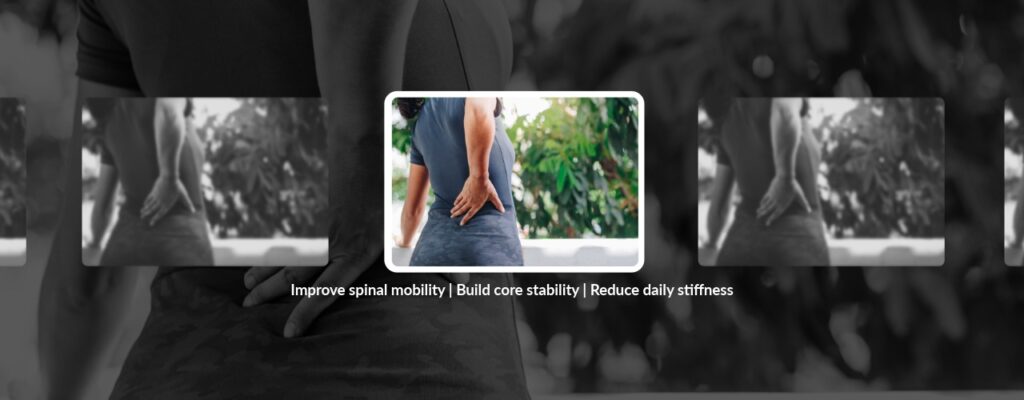

Back pain can slowly change the way you move, sleep, and enjoy daily life. For many adults and older adults, degenerative disc disease back pain becomes a persistent challenge that affects comfort and independence. The good news is that with the right guidance — and some help from the team at PacificPro Physical Therapy & Sports Medicine — symptoms can often be managed effectively, helping you stay active and confident.
Understanding the Source of Discomfort
Degenerative disc disease (DDD) is a common, age-related condition. While the term “disease” sounds serious, it is often a manageable condition with the right approach to care.
Here’s what happens with DDD: Over time, the discs between your spinal bones lose hydration and flexibility, reducing the cushioning between your spine’s vertebrae. This can then lead to increased joint stress and irritation of nearby nerves.
As a result, individuals may experience:
- Aching or stiffness in the back or neck
- Pain that worsens with sitting or bending
- Occasional flare-ups that limit activity
Practical Ways to Manage Degenerative Disc Disease Back Pain
At PacificPro Physical Therapy & Sports Medicine, care plans for DDD focus on improving movement, reducing discomfort, and supporting long-term spine health. Below are effective, patient-centered strategies we use to address degenerative disc disease back pain.
1. Manual Therapy for Pain Relief
Several hands-on joint and soft tissue techniques can help ease stiffness and discomfort. When combined with other treatments for degenerative disc disease back pain, they can help improve mobility in restricted areas and reduce muscle tension.
2. Heat, Ice, and Symptom Modulation Strategies
Both heat and cold therapy can provide meaningful relief alongside active care. Use heat to reduce stiffness and apply a cold compress to help with pain flare-ups. Both of these strategies can easily be incorporated into your daily routine.
3. Core Stability and Spine Support Training
Building strength in your deep abdominal and back muscles provides a foundation for long-term symptom management. A strong core provides stability, reducing strain on your discs and improving your overall balance and control.
4. Guided Movement and Activity Modification
Staying active is essential, but how you move matters. We’ll show you safe ways to bend, lift, and sit, and help you avoid prolonged positions that might strain your spine. Eventually, we’ll work with you to gradually return to the activity you enjoy. Even small day-to-day adjustments can significantly reduce DDD-related symptoms.
5. Postural Awareness for Daily Support
Posture plays a major role in spinal health, as proper posture helps distribute forces evenly and reduces irritation. Our team will work with you to find the right posture for your body, whether you’re sitting, standing, or moving around. We can also suggest supportive chairs or cushions and work out a plan to ensure you’re taking regular breaks from prolonged sitting.
6. Pain Science Education
Understanding your pain can change how you respond to it and empower you to take an active role in recovery. We’ll help understand why pain occurs, even without injury progression. This helps reduce fear around movement and build confidence in daily activities.
7. Personalized Care Planning and Progression
No two individuals experience symptoms the same way, which is why we provide tailored plans based on your goals and lifestyle. Your program will progress gradually to avoid setbacks, and our team will consistently reassess your symptoms to ensure improvement. This individualized approach helps address degenerative disc disease back pain effectively and safely.
Moving Forward with Confidence
Living with back pain does not mean giving up the activities you value. With the right strategies, many people find meaningful relief and improved function.
If you are noticing persistent symptoms or changes in your mobility, the team at PacificPro Physical Therapy & Sports Medicine is here to help. Reach out today to receive a personalized plan designed to support your spine health, reduce discomfort, and keep you moving forward with confidence.