

Non-Invasive Back Pain Treatment Options for a Herniated Disc
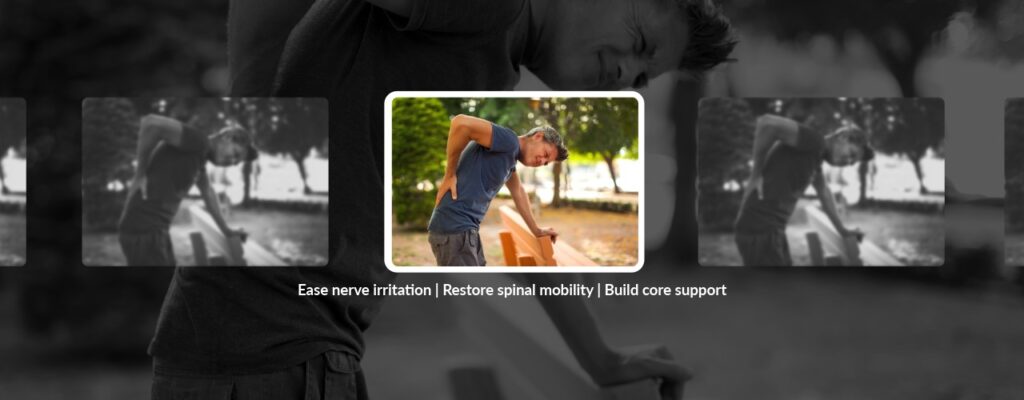

A herniated disc diagnosis can bring a flood of questions, and finding reliable answers is not always straightforward. Herniated disc back pain treatment is one of the most searched topics in orthopedic care, and for good reason. People want to know what their options are, what recovery realistically looks like, and whether surgery is truly necessary.
This blog addresses the questions patients ask most, so you can move forward with clarity and confidence.
Your Questions Answered: Back Pain From a Herniated Disc
What Exactly Is a Herniated Disc?
The discs between your vertebrae act as cushions that absorb load and support spinal movement. When the outer layer of one of these discs develops a weakness, the inner material can shift outward and press on nearby nerves or surrounding tissue. This is what is referred to as a herniated disc. It is a common finding in adults and one that frequently responds well to conservative care.
What Does a Herniated Disc Actually Feel Like?
Symptoms vary depending on which area of the spine is involved and whether a nerve is being irritated. Many people notice:
- Aching or sharp discomfort in the lower back or neck
- Pain that travels into the arm or leg along a nerve pathway
- Tingling or a sensation of numbness in the hands, fingers, feet, or toes
- Muscle weakness that makes certain movements feel unreliable
- Symptoms that shift or intensify with sitting, bending, or prolonged standing
If any of these signs are affecting your daily function, contact PacificPro Physical Therapy & Sports Medicine to schedule an evaluation and find out what is contributing to your symptoms.
Does a Herniated Disc Always Require Surgery?
This is one of the most common concerns patients seeking herniated disc back pain treatment bring to their first appointment, and the answer is reassuring for most people. The majority of herniated disc cases resolve or improve significantly with conservative care. Surgery is typically considered only when specific neurological findings are present or when symptoms have not responded to a well-structured non-surgical approach. Herniated disc back pain treatment through physical therapy has strong support in the research and is widely regarded as an effective first line of care.
What Does the Evaluation at PacificPro Physical Therapy & Sports Medicine Look For?
Rather than relying solely on imaging results, your clinician builds a complete picture of how your body is functioning. Your herniated disc back pain treatment evaluation typically examines how your spinal joints and surrounding areas move under different conditions, whether certain muscle groups are not contributing effectively to spinal support, how your symptoms respond to specific positions and movements, and whether any neurological signs require further medical attention.
What Does Non-Invasive Herniated Disc Back Pain Treatment Look Like at PacificPro Physical Therapy & Sports Medicine?
Herniated disc back pain treatment is tailored to what your evaluation finds and adjusted as your capacity improves.
- Manual therapy addresses stiffness in the joints and tension in surrounding soft tissue, supporting easier movement during daily tasks.
- Nerve mobility techniques encourage the affected nerve to move more freely, which can reduce radiating symptoms into the arm or leg.
- Targeted therapeutic exercise builds the spinal and core support needed to reduce load on the affected disc.
- Movement and activity coaching helps you understand how to modify daily habits in ways that support recovery without unnecessary restriction.
What to Expect When You Contact PacificPro Physical Therapy & Sports Medicine
Walking through the doors at PacificPro Physical Therapy & Sports Medicine means stepping into a space where your concerns are heard and your care is individualized. There are no assumptions made about what you need before your clinician has fully assessed you.
Many people who come in worried about surgery leave with a clear, structured plan and a much more optimistic sense of what lies ahead. Non-invasive care has helped a great number of people with herniated discs return to the activities, routines, and moments that make daily life worthwhile.
Reaching out today to schedule your evaluation is a practical and forward-thinking decision, and it may be the step that changes the trajectory of your recovery entirely.