

Unfreeze Your Shoulder; Reclaim Your Active Life
May 2026 Newsletter

How Physical Therapy Can Help You Manage Frozen Shoulder
We recently worked with a patient who came to us after struggling with shoulder pain for several months. While she hoped it would go away on its own, it only got worse over time. When she visited us, she was also struggling to lift her shoulder overhead or reach behind her back.
This patient had developed adhesive capsulitis, more commonly known as frozen shoulder. It gets that name from the fact that the condition causes the shoulder to “freeze up” after a period of intense pain.
A frozen shoulder will eventually “unfreeze,” but that process can take anywhere from 1-3 years. Fortunately, the team at PacificPro Physical Therapy & Sports Medicine can help you manage your symptoms and facilitate a more efficient recovery.
What Causes Frozen Shoulder?
The condition develops when the capsule of connective tissue that wraps around your shoulder thickens and tightens, restricting the joint. However, researchers aren’t entirely clear why this happens. Certain factors can increase your risk:
- Immobilizing your shoulder after an injury or surgery.
- Being a woman between the age of 40 and 60 years old
- Having certain diseases, including diabetes, thyroid conditions, or cardiovascular disease
Understanding the Three Phases Of Frozen Shoulder
One reason frozen shoulder recovery can take so long is that the condition progresses through three distinct phases, each with its own set of symptoms and concerns. Here’s what you need to know about each one:
Freezing Phase
This initial stage is marked by increasing pain and stiffness in the shoulder. During this phase, we focus on maintaining your shoulder’s range of motion to help reduce stiffness and improve comfort.
Duration
Anywhere from six weeks to nine months
Symptoms
Pain is often worse at night, disrupting sleep
A gradual onset of pain that worsens with movement
Increased stiffness in the shoulder
Frozen Phase
The frozen stage involves less pain but greater stiffness, significantly restricting your shoulder’s movement. We’ll focus on improving your shoulder’s mobility using stretching or manual therapy techniques.
Duration
Anywhere from four to six months
Symptoms
Everyday movements like reaching overhead or behind the back become challenging
Decreased pain compared to the freezing stage
Significant stiffness and difficulty moving the shoulder
Thawing Phase
In the final stage, your pain decreases, and your shoulder’s range of motion gradually returns. However, it’s important to continue physical therapy to ensure you make a full recovery.
Duration
Anywhere from six months to two years
Symptoms
Pain continues to decrease
Gradual improvement in mobility as scar tissue around the shoulder capsule begins to loosen and break down

Physical Therapy and Frozen Shoulder: What You Need to Know
Physical therapy plays an essential role in helping you manage frozen shoulder symptoms at all three stages. Our team will work with you to develop a comprehensive treatment program, pulling from a range of different techniques based on your current symptoms:
Acute Pain Management
- We’ll help you manage shoulder pain (especially in the freezing phase) with techniques such as dry needling, Kinesio taping, hot and cold therapy, and more.
Manual Therapy
- Various hands-on techniques can gently mobilize the shoulder joint, improve joint capsule movement, and reduce pain.
Mobility Exercises
- Targeted exercises and techniques help improve your shoulder’s range of motion in all directions, gradually restoring your ability to reach, lift, and rotate your arm.
Strengthening Exercises
- Strengthening the muscles surrounding the shoulder joint enhances stability and supports improved function.
Management Strategies
- Understanding frozen shoulder is an integral part of managing it. We’ll help you navigate the difficulties of the condition, including identifying which stage you’re in and providing you with home exercises to help alleviate your symptoms.
Ready to Break Free From the Icy Grip of Frozen Shoulder?
If you suspect you have frozen shoulder, schedule an appointment at PacificPro Physical Therapy & Sports Medicine. Physical therapy is essential for managing the condition in all three phases, and the earlier you can begin treatment, the better your outcomes will be. Our team is here to help you manage pain, restore mobility, and understand your shoulder’s movement patterns.
Don’t let frozen shoulder hold you back. Call us today to schedule your initial evaluation!

Sources
Contact PacificPro Physical Therapy & Sports Medicine To Schedule An Appointment
We will work with you at PacificPro Physical Therapy & Sports Medicine to accommodate your needs by providing the most advanced rehabilitation strategies and injury prevention programming. For more information, contact us today!

Three Exercises to Strengthen Your Shoulders and Upper Back
Maintaining strength throughout your shoulders and upper back is crucial to avoid neck pain! The physical therapists at PacificPro Physical Therapy & Sports Medicine can help you develop a customized exercise program that addresses your needs and fits with your abilities.
Curious about what exercises we might include in that program? Here’s an overview of three common resistance training exercises we often use to help people with neck discomfort. Before trying any of them yourself, make an appointment with our team to ensure you’re using the right weight and proper form.
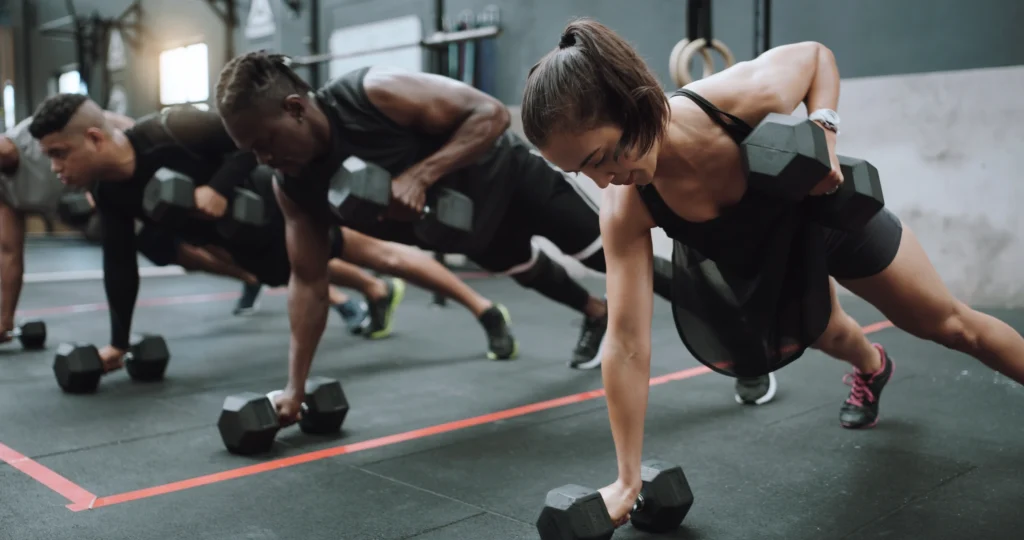
- Shoulder Press: With a dumbbell in each hand, make a “field goal ” shape with your arms: your arms are bent at a 90-degree angle with your palms facing up. Brace your core as you press the weights overhead, then slowly lower them back down to your starting position.
- Reverse Flies: Lean forward at your waist with your elbows slightly bent and dumbbell in each hand. Slowly raise the weights until they are in line with your shoulders.
- Modified Push-Ups: Push-ups are a great way to build upper back and shoulder strength, but if you find the standard push-up too difficult, never fear: the modified version is just as effective. Start on your hands and knees (instead of your feet) with the body in a straight line from head to knee. Slowly lower your chest until it’s a few inches off the floor, then rise back up.
A dedicated strength-training program is a great way to reduce neck discomfort. Schedule an appointment with us to get started with one of your own!
Sources: https://www.physio-pedia.com/Neck_Pain_Tool-kit:_Step_3
Exciting News: PacificPro Physical Therapy is Expanding!
We’re thrilled to announce that PacificPro Physical Therapy has opened a brand-new location! This expansion allows us to serve even more patients and provide the same expert care in a convenient new spot.
New Clinic Address:
Ontario Ranch
3055 S. Archibald Ave., Suite C-2
Ontario, CA 91761
Contact Us:
Phone: (909) 460-6487
Fax: (909) 930-3577
Whether you’re looking for injury recovery, pain relief, or performance enhancement, our team is ready to help you reach your goals. Stop by our new location or give us a call to schedule your visit!

Our Patients Get Great Results
“I have been coming for physical therapy with PacificPro for a long time. They are very professional and knowledgeable in doing physical therapy on me and other patients. Dr. Torey Perez is very good; I highly recommend him. The assistants are great, quick, and on top of things in instructing us what is next to do.”
— Jerssie
Exercise of the Month
Bent Over Rows
(Upper Back, Shoulders)
Hold a weight in your hand. Slightly bend your knees and bend at your waist to bring your torso forward. Make sure your back remains flat and about parallel to the floor. Pull the weight towards you. Make sure your elbows stay close to your body. Slowly return to the starting position. 3 Sets, 10 Reps. (Materials needed: dumbbells)
The PacificPro Team

Trace Power
PT, MPT, CSCS

Bret Fairbanks
PT, DPT

Mason Nebrija
PT, DPT

Alyssa Raineri
PT, DPT

Michelle McClure-Smith
PT, DPT, OCS

Heather Snyder
PT, DPT, OCS

Erin Skrettingland
PT, DPT, OCS

Rujuta Shah
PT, OCS

Erika Rothfeld
PT, DPT
Tre Duplechan
PT, DPT
Johnny Kiskin
PT, DPT

Karli Baker
PT, DPT




Amanda Baxter
Director of Marketing

Kortney Croker
Director of Front Offices

Amanda Hurst
PT, DPT
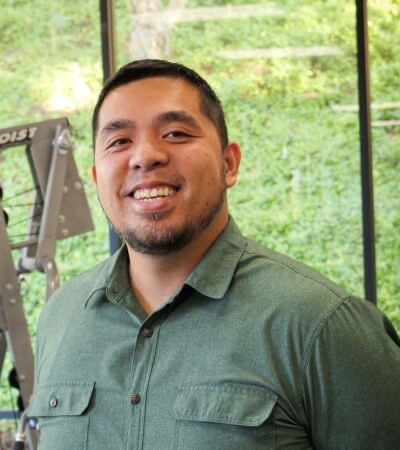



Dean Loomis
PT, DPT


Jessica Sparschu
PT, DPT

Cade Vinsky
PT, DPT

Allan Anolin
PT, DPT

Stephani Quijano
PT, DPT




Spencer Ly
OTR/L, CNS

Josephine Nguyen
PT, DPT


Coral Montes
Front Office Manager

Kylie Mann
PT, DPT

Shawn Troutman
PT, DPT, CSCS-NSCA
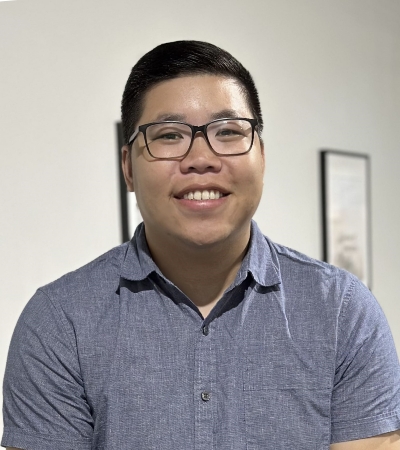

Torey Perez
PT, DPT

Recipe of the Month: Southern-Fried Prawns
Ingredients:
- sunflower oil for deep-frying
- ½ bunch of coriander leaves picked, to serve
For the prawns
- 1/2 cup buttermilk
- ½ tsp garlic granules
- 1 tsp ground ginger
- 18 jumbo raw prawns head left on, tails peeled, butterflied
For the coating
- 2/3 cup plain flour
- 1 tbsp cornflour
- ½ tsp cayenne pepper
- ½ tsp dried thyme
- ½ tsp ground coriander
- 2/3 cup cornflakes crushed to fine crumbs
Instructions:
- To prepare the prawns, mix the buttermilk, garlic granules and ground ginger together in a bowl. Add the prawns and stir to coat, then chill for at least 30 mins or overnight.
- Meanwhile, make the coating by combining all of the ingredients with a pinch of salt in a shallow dish. Set aside.
- Allow any excess buttermilk marinade to drip off the prawns, then dip in the coating mixture, turning to ensure an even covering.
- Heat a deep-fat fryer no more than a third full of oil to 356 F. Or, heat the oil to a depth of 4 inches in a pan until a cube of bread sizzles and turns golden in 30 seconds. Carefully lower 3-4 prawns into the oil at a time and deep-fry for 2 mins, or until crisp and golden. Transfer to a plate lined with paper towel using a slotted spoon, then season and sprinkle with the coriander leaves and lemon zest, if you like. Serve with the some lemon wedges for squeezing over.