

Recognizing the Signs of a Hamstring Injury and Related Pain
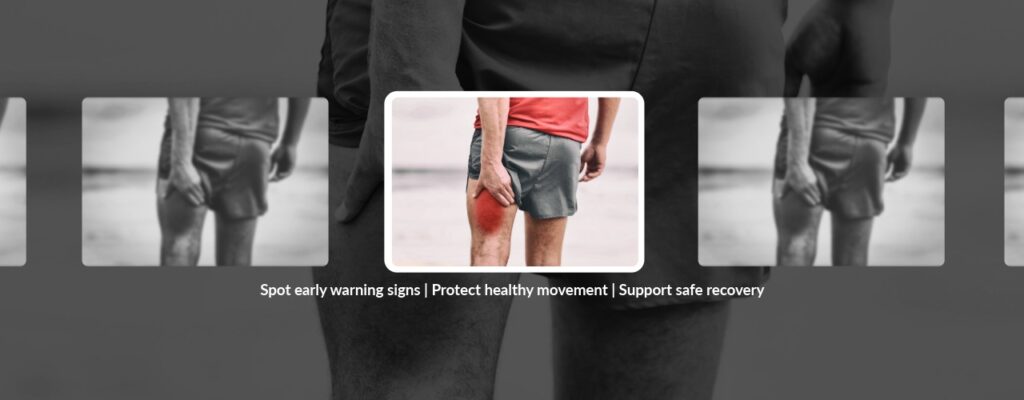

A sudden pull in the back of your thigh can quickly turn a normal day into a frustrating setback. Whether it happens during exercise or a simple movement at home, hamstring injury pain can interfere with walking, sitting, and daily routines. Understanding what to look for early can help you take the right steps toward recovery and avoid further strain.
Below is a practical, patient-friendly checklist to help you recognize the signs of a hamstring injury and know when to seek support from the team at PacificPro Physical Therapy & Sports Medicine.
Your Guide to Spotting Hamstring Injury Warning Signs
Self-Check for Early Signs of Hamstring Injury Pain
Your first step is to determine that you are, indeed, dealing with a hamstring injury. If several of these signs sound familiar, your body may be signaling early hamstring injury pain that should not be ignored:
- A sudden pulling or tearing sensation in the back of the thigh
- Tenderness or soreness when touching the area
- Pain that increases with walking, bending, or climbing stairs
- Stiffness, especially after sitting for long periods
- Difficulty fully straightening or bending the knee
Consider Movement Changes
Hamstring injuries often show up not just as pain, but as changes in how you move. These movement patterns can develop as your body tries to protect the injured area. Over time, they may lead to additional strain in nearby muscles or joints if left unaddressed.
Paying attention to these subtle shifts can help you catch the problem early:
- Shortened stride when walking
- Avoiding putting full weight on one leg
- Slower or more cautious movements during daily tasks
- Trouble standing up from a seated position
Look for Visible and Physical Clues
In some cases, your body provides visible signs that support what you are feeling internally. These symptoms can vary depending on the severity of the injury, but they are important indicators that healing support may be needed:
- Mild swelling in the back of the thigh
- Bruising or discoloration appearing hours or days later
- A feeling of tightness that does not improve with rest
- Muscle weakness when trying to push off or lift the leg
Watch Out for Daily Activities That Become More Challenging
One of the most noticeable impacts of hamstring injury pain is its effect on routine activities. Tasks that once felt simple may suddenly require more effort or cause discomfort. However, recognizing these changes early can help prevent worsening symptoms and support a more efficient recovery. Here are some examples:
- Sitting for extended periods becomes uncomfortable
- Getting in and out of a car feels difficult
- Walking on uneven surfaces increases discomfort
- Light household tasks feel more physically demanding
Two Ways to Manage Your Injury
What You Can Do Right Away to Support Recovery
If you suspect a hamstring injury, taking early action can make a meaningful difference.
- Modify your activity to stay mobile. Walking and light movement help maintain blood flow and prevent the muscle from becoming overly sensitive
- Use ice or heat for comfort. Choose whichever feels better for you to help manage your symptoms
- Avoid sitting in one spot for too long, and use gentle, controlled movements to prevent stiffness
- Maintain good posture and change positions frequently when sitting to reduce strain on the hamstring
These steps can help manage symptoms in the short term, but they are not a substitute for guided care if pain persists. In that case, it’s time to reach out ot the team at PacificPro Physical Therapy & Sports Medicine.
Knowing When to Seek Professional Support
While some mild strains improve with basic care, ongoing or worsening symptoms should be evaluated by a professional.
Consider reaching out if:
- Pain does not improve after several days
- Walking or daily activities remain limited
- You notice persistent weakness or instability
- Symptoms return after attempting to resume activity
At PacificPro Physical Therapy & Sports Medicine, care plans are designed to address hamstring injury pain through a combination of targeted treatment, movement education, and progressive strengthening. This approach supports healing while helping you safely return to the activities that matter most.
Personalized Care for Lasting Hamstring Recovery
Hamstring injuries can be frustrating, but early recognition and the right support can make recovery more manageable. If you are noticing signs of hamstring injury pain, you don’t have to navigate it alone. Contact PacificPro Physical Therapy & Sports Medicine to connect with a team that understands how to guide you through recovery with a personalized, practical approach.