

Neurological Conditions and Their Impact on Gait
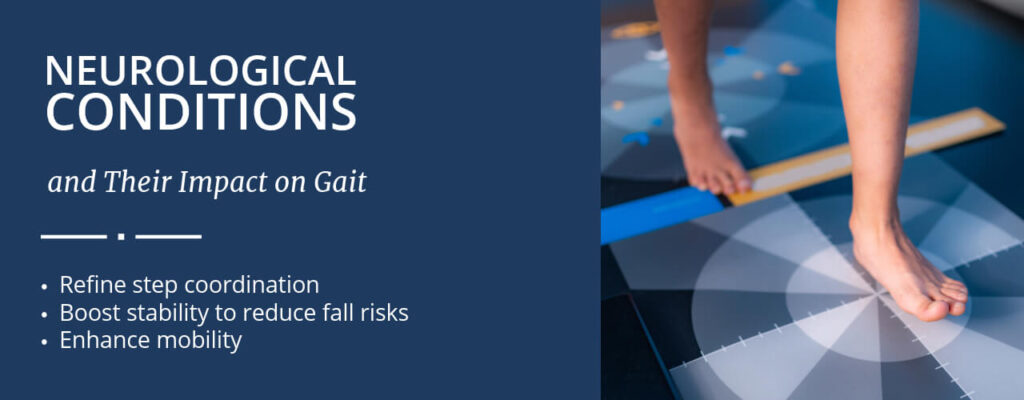

Movement is something many of us take for granted until it becomes difficult. For individuals living with certain health diagnoses, walking may be slower, uneven, or unsteady. These changes in movement patterns are often referred to as gait impairments. When caused by damage or dysfunction in the nervous system, the connection between neurological conditions and gait becomes an important area of focus in physical rehabilitation.
At PacificPro Physical Therapy & Sports Medicine, our physical therapists help patients address mobility challenges related to nervous system function. With the right care plan, many individuals can improve walking safety, independence, and confidence.
Understanding the Link Between Neurological Conditions and Gait
Gait is the way a person walks, and it depends on multiple systems working together, including the brain, spinal cord, nerves, muscles, and joints. Neurological conditions affect how the brain and body communicate. This disruption can alter muscle control, balance, coordination, or reflexes, which leads to noticeable changes in walking patterns.
Some common signs of gait changes associated with neurological diagnoses may include:
- Uneven or shortened steps
- Foot dragging or shuffling
- Decreased arm swing
- Difficulty starting or stopping movement
- Loss of balance or frequent stumbles
- Slower walking speed
- Hesitation or freezing
Not all gait issues look the same. Some may appear mild and progress slowly, while others can be more sudden or variable depending on fatigue, environment, or stress.
Why Addressing Gait Matters
Gait changes can increase the risk of falls, reduce participation in activities, and impact your quality of life. When left unaddressed, individuals may begin to avoid walking, which can lead to further muscle weakness, stiffness, and isolation. Early recognition and intervention are key to preserving independence and preventing complications.
How Physical Therapy Supports Neurological Conditions and Gait
Physical therapy plays a central role in improving mobility and managing the effects of neurological conditions and gait disruptions. Therapists focus on strengthening key muscle groups, retraining movement patterns, and teaching adaptive strategies to improve safety and efficiency.
Physical therapy may include:
Gait Training
- Using visual, verbal, or tactile cues to improve step timing, coordination, and rhythm.
Balance Retraining
- Enhancing stability during walking or when changing direction.
Strength and Flexibility Exercises
- Targeting muscles that support posture and movement.
Task-Specific Practice
- Repeating real-world movements like stepping over obstacles or walking on uneven ground.
Assistive Device Recommendations
- When needed, therapists help patients learn to use walkers, canes, or orthotics to support safer walking.
Fall Prevention Education
- Teaching strategies for navigating home and community environments.
Every treatment plan is built around the individual’s functional goals and current ability level. As progress is made, the plan evolves to continue building strength, coordination, and confidence.
Improving Function, One Step at a Time
Although therapy does not alter the underlying neurological diagnosis, it can improve the way someone moves and functions. For many, small changes, like walking with a smoother stride or feeling more stable during turns, can make a big impact.
Therapists also educate patients and families on pacing, energy conservation, and how to recognize neurological conditions and gait issues affecting movement patterns that may lead to increased fatigue or fall risk.
Knowing When to Seek Help
It may be time to schedule a physical therapy evaluation if you or someone you know is experiencing:
- Recent changes in walking speed or pattern
- Difficulty walking longer distances
- Feeling unsteady or fearful of falling
- Trouble navigating curbs, stairs, or narrow spaces
- New use of a cane or walker without proper instruction
Even subtle changes in gait can become more noticeable over time. A proactive approach gives patients more options and better outcomes.
Take the First Step Toward Improved Mobility
Gait challenges related to the nervous system can feel overwhelming, but they are not insurmountable. With targeted support and a plan grounded in function and evidence, physical therapy can make a meaningful difference.
Contact PacificPro Physical Therapy & Sports Medicine today to schedule a personalized evaluation. Our team is here to support your mobility, safety, and independence step by step.